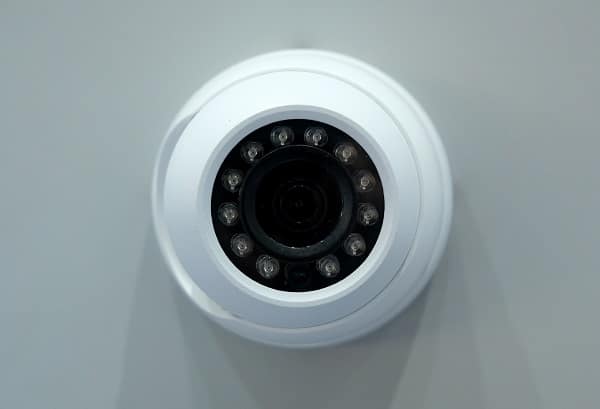
A family in our neighbourhood got their home broken into on a Wednesday afternoon. Middle of the day, quiet street, nothing unusual. The house two doors down had a visible camera on the front porch — burglars walked right past it. The targeted house had nothing visible from the outside.
That one incident had half the street calling security companies the following week.
But here is the thing a lot of people skip — jumping straight into security systems installations without understanding what you actually need often means spending more than necessary and still ending up with gaps in your coverage. Before any technician shows up at your door, there are ten things worth knowing that will make the entire process smarter and more effective.
1. Understand what you are actually protecting against
Before thinking about cameras or sensors, sit down and think honestly about your specific concern. Are you worried about break-ins? Package theft? Checking on children arriving home from school? A medical emergency with an elderly family member living with you?
Home security systems installation looks different depending on the answer. A family focused on perimeter protection needs something different from a homeowner who primarily wants remote monitoring from another city. Knowing your priority shapes every decision that follows.
2. Wired vs wireless — the difference matters more than people think
This is one of the first technical decisions you will face and most people make it without enough information.
Wired systems are generally more reliable for signal — they run through your walls and stay connected regardless of WiFi strength. The installation is more involved and works best in homes being built or renovated where walls can be opened up easily.
Wireless systems are faster to install, easier to expand, and work well in existing homes where running cables through finished walls is impractical. Most modern security systems installations lean wireless for this reason — the technology has become reliable enough that signal issues are rare when set up correctly.
Security Center Florida handles both and typically walks homeowners through which approach suits the property before any equipment discussion begins.
3. Renting vs owning your equipment
This catches people off guard. Some security companies sell you the equipment outright. Others lease it — meaning you pay monthly and the equipment technically belongs to the company. If you cancel the contract, the equipment goes with them.
Owned equipment costs more upfront but gives you full control. Leased equipment lowers the entry cost but creates a dependency on a single provider. Know which model you are signing up for before anything gets installed.
4. Map your home before the technician arrives
Walk every entry point of your home before your installation appointment. Front door, back door, garage door, side gates, ground floor windows, basement access points — every single one.
This does two things. First, it helps you have an informed conversation with the installer about coverage priorities. Second, it prevents the common situation where a homeowner approves an installation and later realizes a side entrance or a blind corner never got covered.
Sub-points worth thinking through during your walkthrough:
- Which entry points are hidden from street view — these are higher risk
- Where exterior lighting is weak or missing entirely
- Which windows are regularly left open and need sensor attention
- Where the WiFi signal is strong vs where it drops — relevant for wireless camera placement
5. Camera placement is a skill, not just a decision
Cameras mounted in the wrong spots give you footage that looks impressive but provides little actual value. A camera aimed too high captures the tops of heads. A camera mounted facing a light source at certain times of day gets washed out completely.
Professional home security systems installation includes placement assessment for exactly this reason. Technicians from Security Center Florida assess angles, lighting conditions, and coverage overlap before mounting anything permanently. A camera pointed at the right spot at the right height — covering the full face of someone approaching an entry point — is worth ten cameras mounted carelessly.
Key placement principles:
- Front door camera should capture a face-level angle, ideally within 10 feet of the door
- Driveway cameras should cover vehicle plates as well as foot traffic
- Backyard cameras work best when covering the gate entry point, not just the yard itself
- Indoor cameras placed near staircases or main hallways cover more ground than room-specific placement
6. Monitoring options — Self-monitored vs professional monitoring
Self-monitoring means alerts go directly to your phone. You see the notification, you decide what to do. It works well for people who are consistently reachable and responsive.
Professional monitoring means a 24-hour monitoring center watches your system and contacts emergency services on your behalf if an alert triggers. This matters most for families who travel frequently, homeowners in areas with slow emergency response times, or anyone who wants coverage during hours when checking a phone is unlikely.
Security systems installations can be set up for either option — and many systems now support both, giving you flexibility based on the situation.
7. Smart home integration — Decide before installation, not after
Modern security systems integrate with smart locks, doorbell cameras, lighting systems, and voice assistants. Deciding what you want connected before installation means the wiring and hub placement gets done correctly from the start.
Trying to add smart integration after the fact often means workarounds, extra hardware, and compatibility issues that a proper upfront plan avoids entirely.
8. Local permit requirements are real and worth checking
Many municipalities require a permit for home security systems installation — particularly for systems connected to professional monitoring services. Some areas also require alarm registration with local law enforcement.
Skipping this step can result in fines or, in some areas, police response fees if a false alarm triggers an emergency call. Security Center Florida handles permit guidance as part of its installation process, but if you are researching independently, check with your local city or county office before scheduling installation.
9. Test everything before the technician leaves
This is non-negotiable. Every sensor, every camera feed, every door and window contact — test it while the installer is still present. Trigger the motion sensors yourself. Open and close every protected entry point and confirm the system registers it.
Questions to ask before sign-off:
- What happens if the power goes out — does the system have battery backup?
- How long does the backup power last?
- What triggers a false alarm and how do you cancel it quickly?
- How do you add or remove users from the system?
Getting these answers in person, with the system in front of you, is far more useful than trying to troubleshoot later through a customer service call.
10. Think about long-term expandability
Your security needs today may look different from your needs three years from now. A new baby, an elderly parent moving in, a home addition, a vehicle parked outside that was not there before — life changes and your system should be able to grow with it.
Before committing to any security systems installations, ask directly how expandable the system is. Can cameras be added without replacing the central hub? Can sensors be added to new windows or doors? Can the monitoring plan be upgraded without a full reinstallation?
Security Center Florida builds systems with scalability in mind — the families who plan for growth from the start spend significantly less over time than those who have to replace equipment every few years because their original setup had no room to expand.
Before you book that installation
Home security systems installation is one of those decisions that rewards taking a little extra time upfront. Know your priorities, understand the equipment you are buying or leasing, map your own home before anyone else does, and ask the right questions before the first screw goes into the wall.
A well-planned security systems installation gives you genuine coverage and lasting peace of mind. Rushing it gives you equipment on the walls that may or may not be doing the job you think it is.


