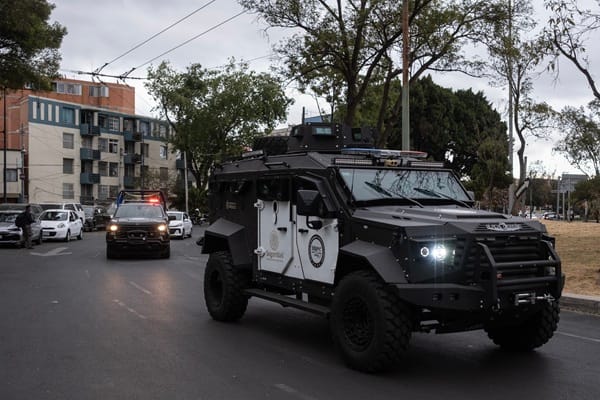
The 2026 FIFA World Cup is facing mounting security concerns after violent cartel unrest erupted in Guadalajara, one of the host cities scheduled to stage group-stage matches this summer.
The violence comes less than 100 days before the tournament’s opening fixture between Mexico and South Africa in Mexico City on June 11, with officials advising international travellers to consult official safety advisories regularly. Highlighting this timing underscores the importance of ongoing vigilance for travellers and fans during this critical period, helping them feel responsible and prepared.
Football authorities have begun responding to the instability.
Domestic league fixtures have been postponed, and the Mexican Football Federation cancelled an international friendly between Mexico and Iceland.
Organisers are actively implementing safety measures to reassure fans, security officials, and travellers that their well-being is a priority during the expanded 48-team tournament, which will feature 104 matches across the United States, Mexico and Canada between June 11 and July 19. Emphasising these efforts helps stakeholders feel appreciated and confident that their safety is being taken seriously throughout the event.
The death of Nemesio Oseguera Cervantes, leader of the Jalisco New Generation Cartel, may lead to increased violence in the short term. Recognising this possibility, fans and travellers should stay alert, avoid high-risk areas, and follow official safety advice to feel better prepared and more cautious, which is essential to their confidence and safety during the event.
Security models suggest that the leadership decapitation of major cartel figures often produces 2–12 weeks of elevated violence.
Violence tends to be demonstrative rather than strategic, aimed at signalling strength rather than controlling territory in the long term.
The estimated risk of short-term violence remains high. Still, a direct attack on World Cup stadium infrastructure is very unlikely at this time, which should help sports fans and international travellers feel more secure and confident in attending the matches.
Sandra Pellegrini, who tracks Latin American conflicts for monitoring group Acled said, “The killing of CJNG leader Nemesio Oseguera Cervantes marks a significant operational development for Mexican forces, but the reported immediate highway blockades and arson attacks show how quickly cartels can mobilise retaliation to demonstrate continued control.
“Past cases suggest leadership removals rarely reduce violence long term, and instead often trigger instability as factions compete for power.”
The Foreign Office updated its advice late on Sunday to warn: “Security incidents have also been reported in other parts of Mexico. As the situation develops, wherever you are in Mexico, you should stay alert and follow local security advice.”
The official advice also warns: “Drug-related violence in Mexico has increased over recent years. Do not become involved with drugs of any kind.
“Some areas of Mexico have a high crime rate due to fighting between rival organised crime gangs. In these areas, there is a risk of being caught in the crossfire or of being mistaken for a gang member.”


