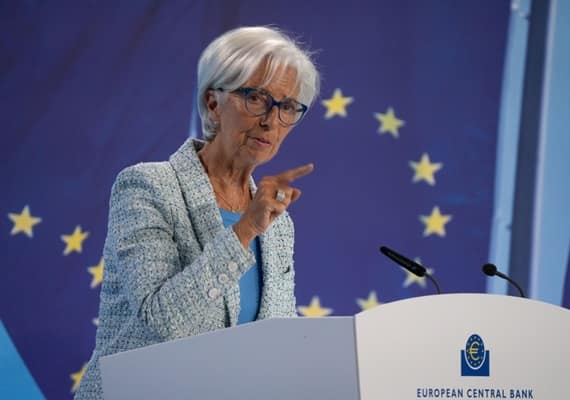
Inflation across the eurozone eased to 2% in December, edging down from November’s 2.1% pace and landing on the European Central Bank’s long-term target.
This reflects a broad cooling in goods prices and continued restraint in energy costs, while services inflation remains the main source of underlying momentum.
The key takeaway is that price pressures have normalising after several turbulent years.
Policymakers remain wary of declaring victory too soon. Wage pressures, shifts in global energy markets and uneven demand across member states still pose risks to the outlook. However, with headline and core inflation now moving in a relatively narrow band, the ECB faces fewer immediate triggers to adjust interest rates.
The ECB is unlikely to cut interest rates further — unless there is a deep slump in the European economy — meaning it will aim to keep borrowing costs steady in the coming months while closely monitoring the direction of travel.
The evolving geopolitical landscape could have further impact on global inflation. If the US administration’s actions in Venezuela go to plan, Venezuela’s vast resources of oil and gas could be unlocked. This would increase global supply and apply downwards pressure on energy prices. While the outcomes remain uncertain, this could influence Eurozone prices later in the year.
What does this mean for the wider economy?
Stable prices offer breathing space for households whose budgets have been stretched by recent cost increases. Businesses, too, will welcome a calmer pricing environment as they plan investment and staffing decisions.
However, the softer inflation backdrop reflects an economy that is expanding only modestly, with consumer spending, industrial output, and cross-border trade showing signs of inertia.
A central theme for 2026 is that price stability is returning, but economic momentum remains fragile. The ECB’s challenge now is to support recovery without allowing inflation to reignite — a delicate balancing act that will define the policy debate in the months ahead.


