
[ad_1]
If you’ve ever used a 3D printer, you may recall the wondrous feeling when you first printed something you could have never sculpted or built yourself. Download a model file, load some plastic filament, push a button, and almost like magic, a three-dimensional object appears. But the result isn’t polished and ready for mass production, and creating a novel shape requires more skills than just pushing a button. Interestingly, today’s AI coding agents feel much the same way.
Since November, I have used Claude Code and Claude Opus 4.5 through a personal Claude Max account to extensively experiment with AI-assisted software development (I have also used OpenAI’s Codex in a similar way, though not as frequently). Fifty projects later, I’ll be frank: I have not had this much fun with a computer since I learned BASIC on my Apple II Plus when I was 9 years old. This opinion comes not as an endorsement but as personal experience: I voluntarily undertook this project, and I paid out of pocket for both OpenAI and Anthropic’s premium AI plans.
Throughout my life, I have dabbled in programming as a utilitarian coder, writing small tools or scripts when needed. In my web development career, I wrote some small tools from scratch, but I primarily modified other people’s code for my needs. Since 1990, I’ve programmed in BASIC, C, Visual Basic, PHP, ASP, Perl, Python, Ruby, MUSHcode, and some others. I am not an expert in any of these languages—I learned just enough to get the job done. I have developed my own hobby games over the years using BASIC, Torque Game Engine, and Godot, so I have some idea of what makes a good architecture for a modular program that can be expanded over time.
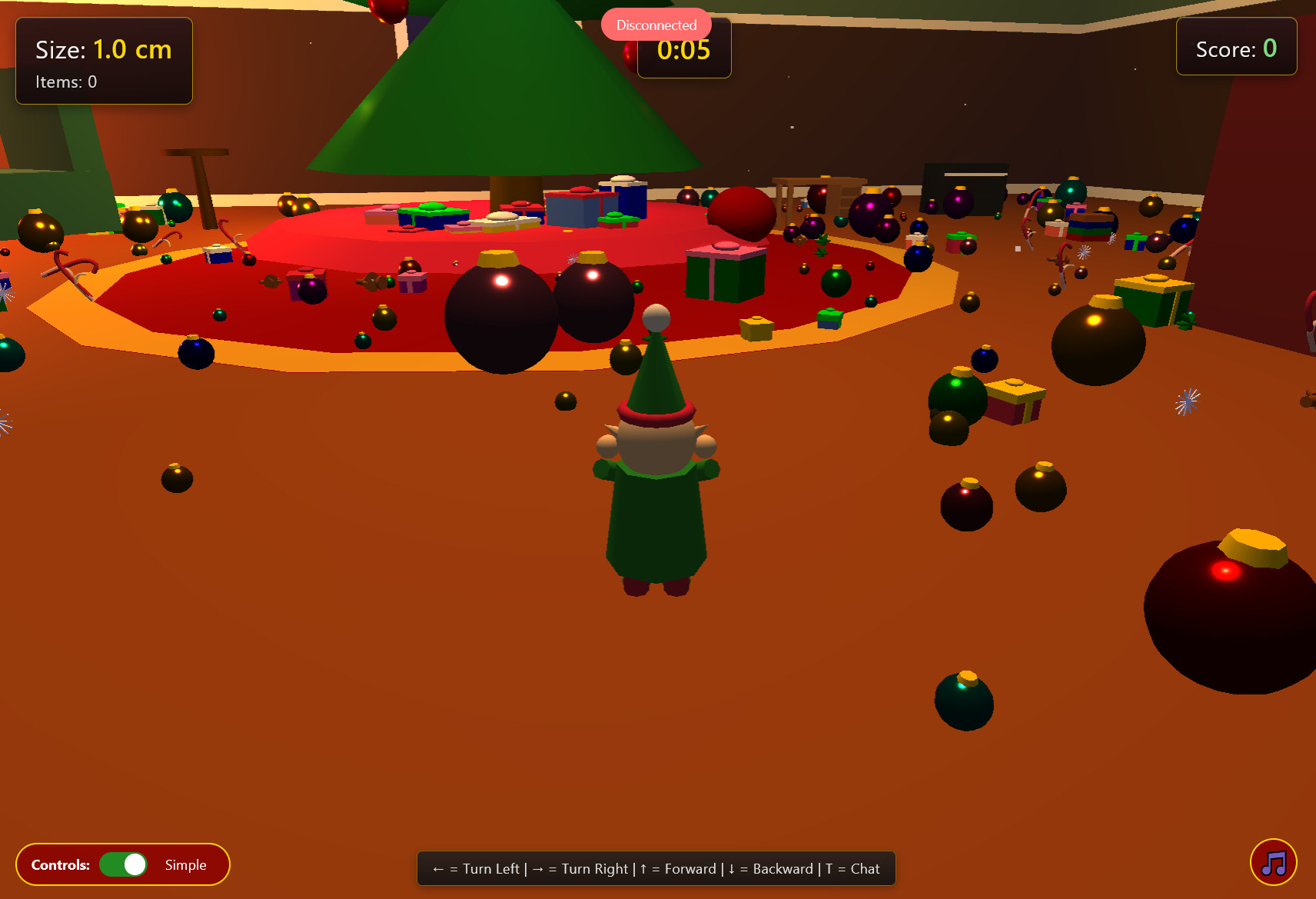
Claude Code, Codex, and Google’s Gemini CLI, can seemingly perform software miracles on a small scale. They can spit out flashy prototypes of simple applications, user interfaces, and even games, but only as long as they borrow patterns from their training data. Much like a 3D printer, doing production-level work takes far more effort. Creating durable production code, managing a complex project, or crafting something truly novel still requires experience, patience, and skill beyond what today’s AI agents can provide on their own.
[ad_2]
Source link


