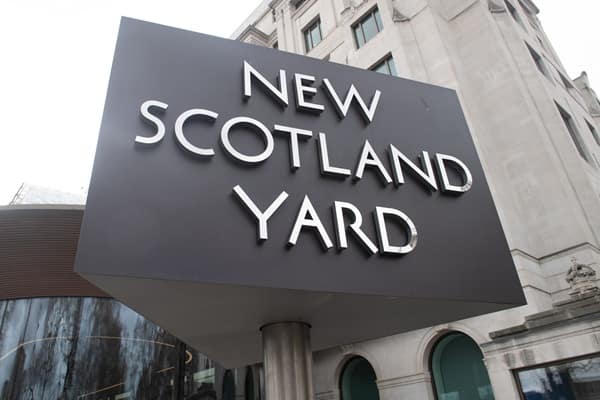
The investigation connected to Andrew Mountbatten-Windsor has evolved into what analysts describe as a multi-layered intelligence, financial, and legal review rather than a conventional criminal prosecution.
The inquiry is linked to material released from document archives associated with convicted paedophile Jeffrey Epstein, the American financier convicted of sex trafficking offences before he died in 2019.
British authorities have not confirmed criminal charges, but the scale of document assessment and inter-agency cooperation has given the case unusual strategic significance.
Thames Valley Police arrested Andrew on suspicion of misconduct in public office, a rare offence under UK law that requires proof of serious abuse of position.
Legal experts say prosecutors generally need to establish several elements to proceed: the suspect held a public office or position of public trust, the conduct represented a deliberate or reckless abuse of that position, and the abuse caused or risked public harm.
The threshold for conviction is high, and mere circumstantial association is insufficient.
Read more related news:
Following the arrest, the former Duke was reportedly released under investigation, meaning detectives continue to review evidence, but no charge has been authorised. The case has expanded beyond a single allegation into what sources describe as a network analysis inquiry.
UK law enforcement bodies, including the Metropolitan Police, are reported to be examining archived email communications, travel manifests linked to private aviation, testimony from international partners and financial and organisational records.
Authorities are focusing on reconstructing possible interaction chains rather than relying on single witness accounts. One line of inquiry concerns whether transport infrastructure may have been used in alleged trafficking operations. Media reports have referenced investigations into Stansted Airport, London Luton Airport, and Birmingham Airport, as well as possible RAF bases.
Officials have avoided confirming any operational criminal trafficking findings at these locations.
Law enforcement statements emphasise that reviewing intelligence material does not imply evidence of criminal acts. The Royal Household has said it will cooperate with lawful investigative processes. According to sources, police have been granted access to records held within royal administrative archives, correspondence relating to the Duke’s trade envoy role and any historical security protection information.
The Palace has not publicly commented on specific evidential matters. Former royal protection personnel have been asked to review potential historical knowledge. Some reporting has focused on whether staff observed irregular travel or visitor patterns, were aware of interactions with unidentified individuals or held documentation relevant to later investigation material.
No public evidence has confirmed institutional concealment. The investigation is believed to involve intelligence cooperation between British authorities and US agencies. They will verify the authenticity of archived digital communications, map flight routing behaviour, and cross-reference witness statements with logistical data. Authorities are cautious because archival material may contain unverified or contested entries.
The Misconduct in Public Office charge is unusual, as the alleged offence is significant: it is traditionally used for the abuse of authority by public officials or for conduct undermining public trust in state institutions.
Prosecutors must demonstrate intent or recklessness, not merely social association. The case has sparked an indirect constitutional debate over the British monarchy. While there has been political discussion about the Duke’s status, any removal of royal titles or succession rights would likely require parliamentary legislation or royal assent.
Buckingham Palace has not indicated plans to take unilateral action. Experts outline three broad possible outcomes of the investigation: first, closure of the inquiry if the evidence threshold is not met; second, continued intelligence monitoring without prosecution; and last, a formal charging decision if prosecutorial standards are satisfied.
At present, the investigation is best characterised as evidence-gathering rather than trial preparation, and as a multi-agency information assessment, and is historically unusual due to the high-profile subject.
The release of Epstein-related files has created ongoing scrutiny of elite social networks across multiple countries.
Authorities emphasise that association with Epstein does not automatically imply criminal conduct.


