Reform UK is preparing to outline a strict new immigration strategy that would restrict visa access to countries that refuse to cooperate with British deportation requests.
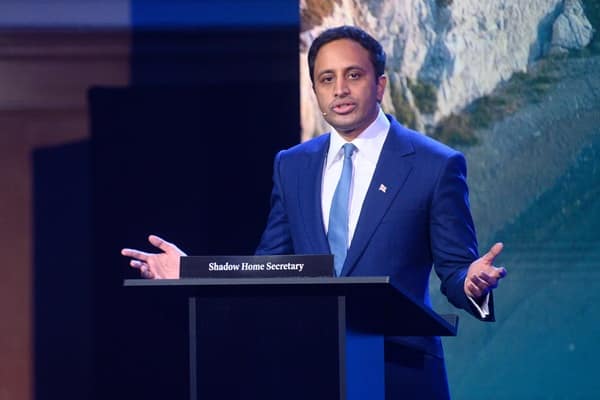
The proposals are expected to be announced by the Shadow Home Secretary Zia Yusuf as part of a policy package called Operation Restoring Justice, which aims to reduce net migration by increasing departures from the UK.
The plan could limit or suspend visa issuance to countries such as Pakistan, Afghanistan, and Syria that fail to accept the return of their nationals, raising questions about diplomatic consequences and international cooperation.
The countries mentioned in the Reform’s strategy include:
- Pakistan
- Afghanistan
- Syria
The party argues that stronger diplomatic pressure is needed to improve cooperation on removals.
Officials say the policy would extend beyond measures already discussed by the Government, which previously considered visa restrictions against a small number of African states over deportation compliance.
Home Secretary Shabana Mahmood had warned last year that citizens from countries including Angola, Namibia and the Democratic Republic of the Congo could face entry restrictions without improved cooperation. Several of those countries subsequently agreed to work with UK authorities.
Reform UK says its approach targets what it describes as systemic failures in immigration enforcement.
Party figures have highlighted Home Office data suggesting that nationals from several countries account for a large proportion of unresolved removal cases, including people from:
- Afghanistan
- Syria
- Iran
- Eritrea
- Sudan
The party also claims Pakistani nationals are statistically more likely to remain in the UK beyond their permitted visa period.
The strategy includes offering asylum seekers £2,500 to leave Britain voluntarily, aiming to create a fairer process that benefits both migrants and the community.
Migrants would be encouraged to return either to their home country or to third-party relocation destinations such as:
Supporters say the incentive would reduce detention costs and speed up returns, though critics argue it could create ethical and legal concerns.
Reform also proposes establishing a dedicated UK Deportation Command responsible for enforced removals, reinforcing the government’s commitment to effective immigration enforcement.
The party suggests using former military facilities as temporary accommodation for migrants awaiting removal.
Officials estimate such sites could house up to 24,000 people within 18 months at an approximate cost of £2.5 billion.
Yusuf is also expected to outline measures to combat Islamist extremism and protect British cultural cohesion, which is essential to maintaining public safety and community stability.
Yusuf said: “As Home Secretary, I will use every instrument of state to deport all illegal migrants in Britain, including visa bans on countries that refuse to take back their illegals.”
“Further countries will be announced soon. Reform will do what it takes to finally secure our borders, uphold the rule of law and put the British people first.”
The party frames the wider programme as part of a “zero-tolerance” approach to irregular migration and security risks.
Immigration remains a central political issue in Britain.
Reform UK has positioned itself in opposition to the Labour Party (UK) government’s migration policies, arguing that stronger enforcement is needed.


