[ad_1]
The results: The team found traces of wild grasses and legumes, fruits or berries, green vegetables, and roots and tubers native to the broader region. Shards recovered from sites in the Don River basin showed these people used the seeds of wild legumes (possibly clover) and grasses, as well as showing some evidence of bran and barley. By contrast, shards from the Upper Volga and Dnieper-Dvina region contained more traces of guelder rose berries and other fleshy fruits and smaller-seeded Amaranthaceae plants.
Shards from the Baltic region showed higher traces of freshwater fish, with some regions also including berries, sea beetroot, flowering rush, beets, and sea club-rush tubers. There were also traces of dairy products in shards from a site in Denmark, likely obtained from nearby farming communities.
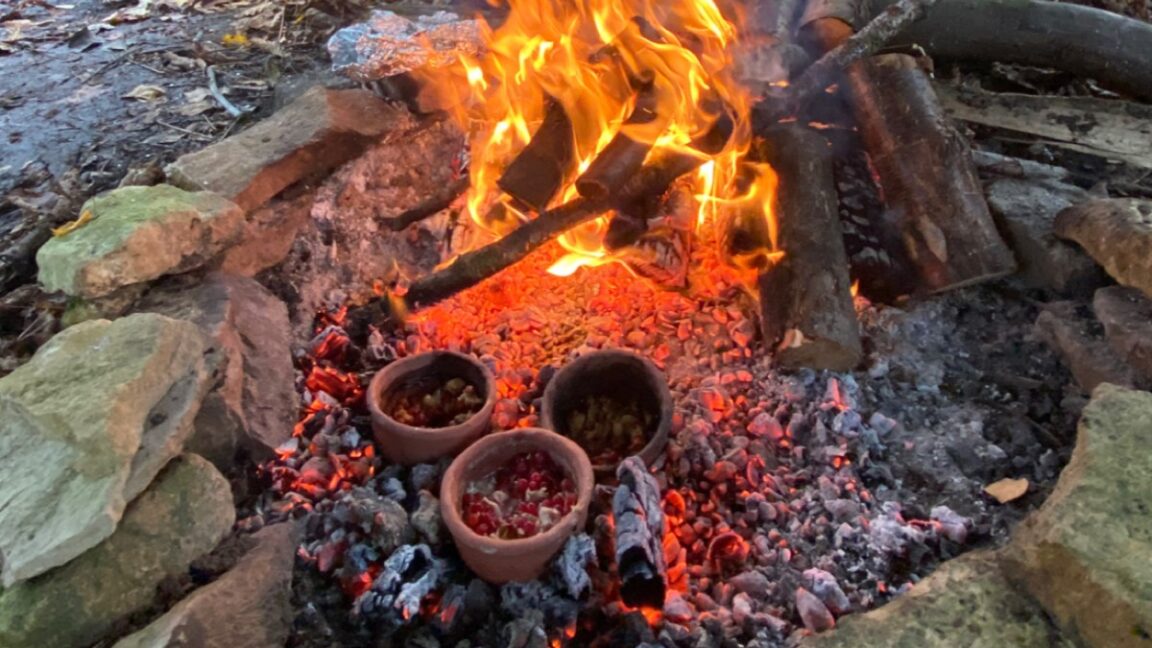
For the cooking experiments, the authors explored different potential food mixtures focusing on two main plant species: guelder rose berries and species related to the Amaranthaceae family (beet, goosefoot, and saltbush specifically). The berries were gathered in the fall from the south of England and frozen right afterward. They boiled the berries with water in replica pottery vessels, combining some batches with freshwater fish like carp, and also varying the distance of the vessels from the open flames and active embers. They then sampled the cooking residues and compared those results to the samples taken from the prehistoric vessels.
“Our results show that there was a general tendency towards combining specific foods into distinct preparations and in particular regions,” the authors concluded, such as combining Viburnum berries with freshwater fish in the Upper Volga and Baltic regions. Fish accompanied by wild grasses and legumes were preferred in the Don River Basin, while other sites preferred their fish with green vegetables. So “hunter-gatherer-fishers were not living on fish alone,” the authors wrote. “They were actively processing and consuming a wide variety of plants.”
PLoS ONE, 2026. DOI: 10.1371/journal.pone.0342740 (About DOIs).
[ad_2]
Source link


