The UK is facing increasing criticism regarding its defence posture as allied European navies act more swiftly to secure the eastern Mediterranean.
This raises questions about Britain’s operational readiness during the ongoing crisis in the Middle East.
Naval forces from Spain, France, and Greece are preparing to deploy warships to provide air defence cover and evacuation support, while the UK’s response has been characterised by regional partners as hesitant.
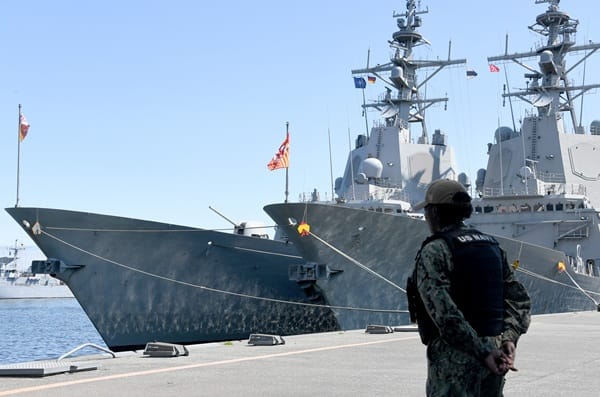
The French nuclear-powered aircraft carrier Charles de Gaulle and Spain’s Cristóbal Colón (F-105) are expected to arrive in the region before British reinforcements.
In contrast, the Royal Navy’s air defence destroyer HMS Dragon (D36) is still undergoing urgent preparations after being withdrawn from maintenance and rearmed at Portsmouth Harbour. The vessel is not expected to set sail immediately, and once deployed, it will take several days to reach the eastern Mediterranean.
This delay has heightened criticism of the government’s strategic decision-making during a time of escalating hostilities between the United States, Israel, and Iran.
Britain maintains sovereign military installations in Cyprus under the 1960 independence treaty, which includes key RAF facilities at RAF Akrotiri and Dhekelia.
British F-35 Lightning II and Eurofighter Typhoon aircraft are conducting defensive patrols; however, allies argue that Britain’s visible maritime presence remains limited.
Dr Kyriacos P. Kouros, the Cypriot High Commissioner to the UK, told the Times: “The French are coming. The least we expect is the Britons to also be present since, as I said, we are not only defending Cypriots on the islands.”
Diplomatic sources indicate growing frustration within parts of the Gulf security community, with some officials suggesting that the UK has been slow to match the expected operational tempo of a major military power. Critics warn that this situation risks reinforcing the perception that Britain’s global defence reach is narrowing at a time of rapidly escalating regional instability.
General Barrons said Sir Keir Starmer’s slow response “has diminished the relationship between the US administration and the UK because we have not turned up when they asked in the way that they asked.”
“’In the eyes of the region, however, the Gulf States, there is a sense that the UK has been slow to respond and also doesn’t have much to respond with,” he added.


