[ad_1]
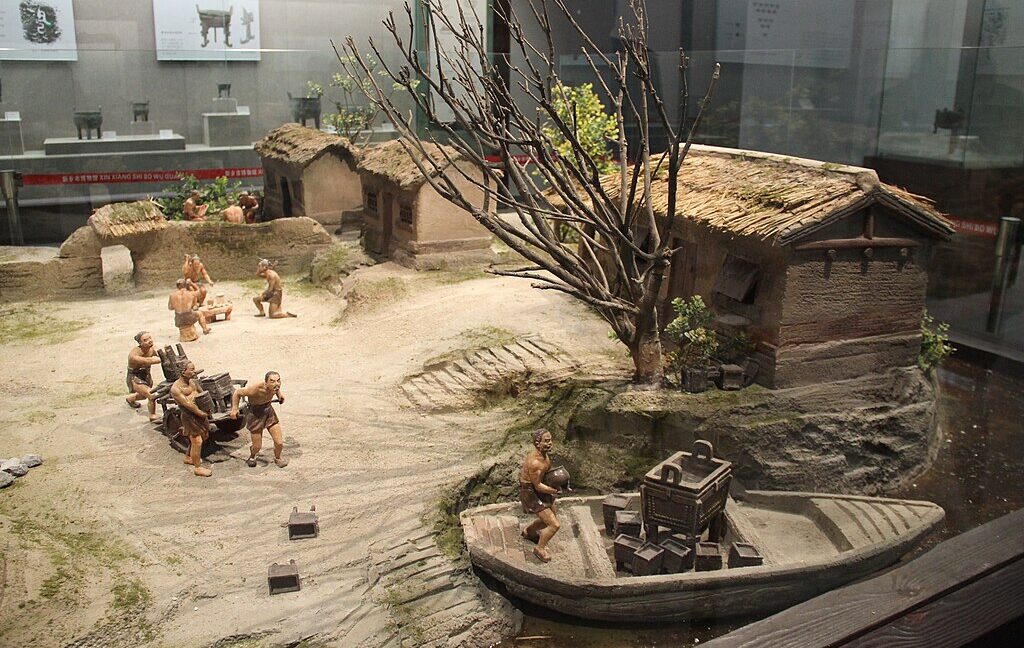
A few wildly different clues point to the cause—or at least, one of the causes—of this upheaval: modern weather simulations, archaeological sites hundreds of miles from the Chinese coast, coastal sediments in Japan and South Korea that record the intensity of ancient typhoons, and even Shang Dynasty divination texts. All three of these lines of evidence converged on the same dates, telling a single horrifying story.
Reconstructing ancient storm seasons
We have a pretty good idea of how the size and intensity of a storm determines what kind of footprint it leaves on coastal sediments. Researchers look for similar traces in ancient sediments and use them to reconstruct what tropical storm seasons were like in the past (the field is called paleotempestology, which is your faithful correspondent’s new favorite word).
Based on paleotempestology records not only in China, but also along the coasts of South Korea and southwestern Japan, typhoons moving west across the Pacific Ocean tended to be more intense during the storm seasons around 2,800 years ago. Typhoons that curved northward had more intense seasons around 3,800 years ago and again around 3,300 years ago.
Those bouts of more intense typhoons may be related to something that happened off the coast of Peru around 3,000 years ago, when El Niño events suddenly got more frequent, more extreme, and longer-lasting. Paleoclimate researchers know this because around this time, shellfish species that live in cool water (but can’t take the heat) all but disappear from the Peruvian archaeological record, replaced by more heat-tolerant species. Around the same time, people living along the coast gave up building huge monumental temples, and villages shrank. You’re going to want to keep those dates in mind, because…
Ding and colleagues charted radiocarbon dates from sites across China’s Central Plains and Chengdu Plain, hoping to pinpoint changes in population and potential signs of a society in crisis. They noticed that the number of sites on the Central Plain, home to the Shang Dynasty, decreased sharply around 3,800 years ago and again about 3,300 years ago; at the sites that weren’t abandoned, changes suggested smaller populations overall. On the Chengdu Plain, something similar happened around 2,800 years ago. Villages, towns, and cities shifted toward higher ground; layers of mud left behind by flooding hint at the reason.
[ad_2]
Source link


