[ad_1]
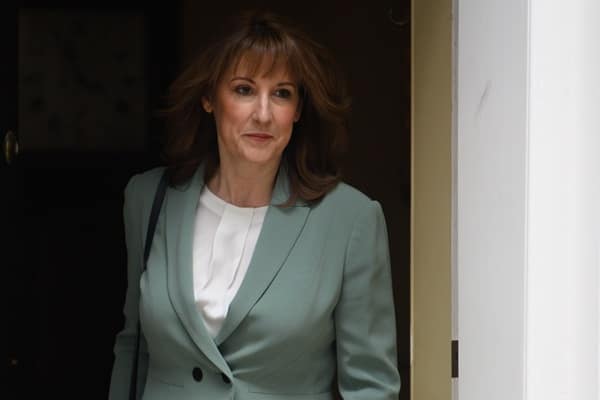
The Chancellor has expressed anger at former US President Donald Trump for launching military operations in the Middle East without a clear plan to bring the conflict to an end, warning that the escalation threatens both regional stability and the UK’s economic security.
Speaking to BBC Radio 2’s Jeremy Vine, Rachel Reeves said: “I’m angry that Donald Trump has chosen to go to war in the Middle East – a war that there’s not a clear plan of how to get out of.”
Her comments come as the crisis has driven fuel and energy prices higher, compounding pressure on households and businesses across Britain.
Analysts say the spike in oil and gas costs is partly a consequence of disrupted supply from the Gulf, where the Strait of Hormuz remains effectively closed following the US-Israeli strike on Iran at the end of February.
According to the RAC, diesel prices have risen by 27% since the conflict began, reaching 181.2p per litre, while petrol has increased 14% to 152.0p per litre. These sharp increases are mirrored across Europe, prompting the EU to urge citizens to reduce driving and flying to conserve fuel amid what it describes as “prolonged disruption” to energy supplies.
The Chancellor’s criticism reflects wider unease in London over the US-led escalation, which critics argue lacks a coherent exit strategy. Officials in Westminster have expressed concern that the conflict could have knock-on effects on global energy markets, trade, and geopolitical stability, leaving the UK exposed to price shocks.
The remarks also follow heightened diplomatic activity aimed at stabilising the region. Prime Minister Sir Keir Starmer has emphasised that Britain will not be drawn into the conflict, calling for closer EU cooperation and announcing plans for Foreign Secretary Yvette Cooper to host a summit of international leaders to reopen the Strait of Hormuz.
Starmer stressed that the UK has a long-term plan to emerge from the crisis “as a stronger and more secure nation” and vowed to avoid the energy shocks experienced in the 1970s.
Meanwhile, President Trump has openly criticised the UK, dismissing the Royal Navy as outdated and suggesting that NATO is a “paper tiger.”
In a separate interview with the Telegraph, he said: “You don’t even have a navy. You’re too old and have aircraft carriers that don’t work… All Starmer wants are costly windmills that are driving your energy prices through the roof.”
Trump’s comments highlight the contrasting approaches between London’s diplomatic and strategic planning and the US’s unilateral military actions, which have contributed to tensions in transatlantic relations.
The Chancellor’s rebuke underscores the political and economic stakes for the UK, particularly as households continue to grapple with rising energy bills.
She warned that any escalation in the conflict without a clear plan risks prolonging market volatility, increasing inflationary pressure, and placing an undue burden on consumers already struggling with the cost of living.
With the Middle East crisis showing no immediate signs of resolution, UK officials are under mounting pressure to safeguard energy supplies, maintain diplomatic influence, and ensure that Britain is not drawn into a conflict that does not serve its national interest.
[ad_2]
Source link


