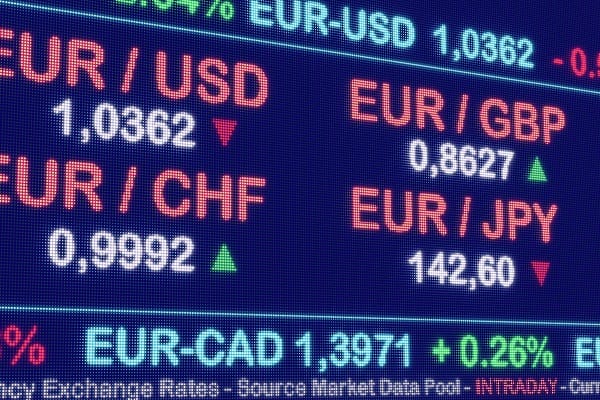
Euro was able to consolidate on Friday against the US dollar (EUR/USD) and record gains of 0.25%, after recording losses early this morning that led it to its lowest level since approximately mid-last December, at 1.08130.
The euro’s recovery came after the losses it recorded om Friday morning with GfK Consumer Climate data that indicated a further deterioration in German consumer confidence to the lowest level in about a year, in continuation of the weak data that we witnessed during this week.
On Friday we witnessed the February reading of the GfK Consumer Climate index, while the headline index reading recorded the lowest level since March of last year at -29.7, which was also below expectations.
Seven tips to get your Self Assessment tax return right
In detail, the sub-indices for economic expectations, income expectations, and the willingness to buy recorded a significant decline, coinciding with a noticeable increase in the willingness to save, according to the survey conducted by GfK.
While this negativity in consumer sentiment comes with the pressure of crises, wars, economic and political uncertainty, and most of all, high inflation, these negative factors also prevent the restoration of positive sentiment, according to the survey as well.
The survey results also confirmed that the rise in inflation, especially after its rising last December, is the biggest obstacle to restoring confidence, and it is what prevents individuals from purchasing non-daily and basic needs.
On Friday negative consumer data come after a week that also witnessed a further decline in business confidence, according to the Ifo Business Climate survey, in addition to manufacturing and service PMIs, which indicated continued weak demand conditions.
On Thursday we also witnessed Christine Lagarde’s speech, which was less stringent than expected and reinforced the markets’ hopes for an imminent interest rate cut that may begin next April, in light of the noticeable decline in wage growth.
All of this is in contrast to what we see in the United States, in light of the strength of the labour market and the acceleration of economic activity more than expected, which has reduced hopes of the possibility of the Federal Reserve cutting interest rates next March, and this, in addition to the continued flow of negative numbers from the Eurozone, would constitute more pressure on the region’s currency.


