[ad_1]
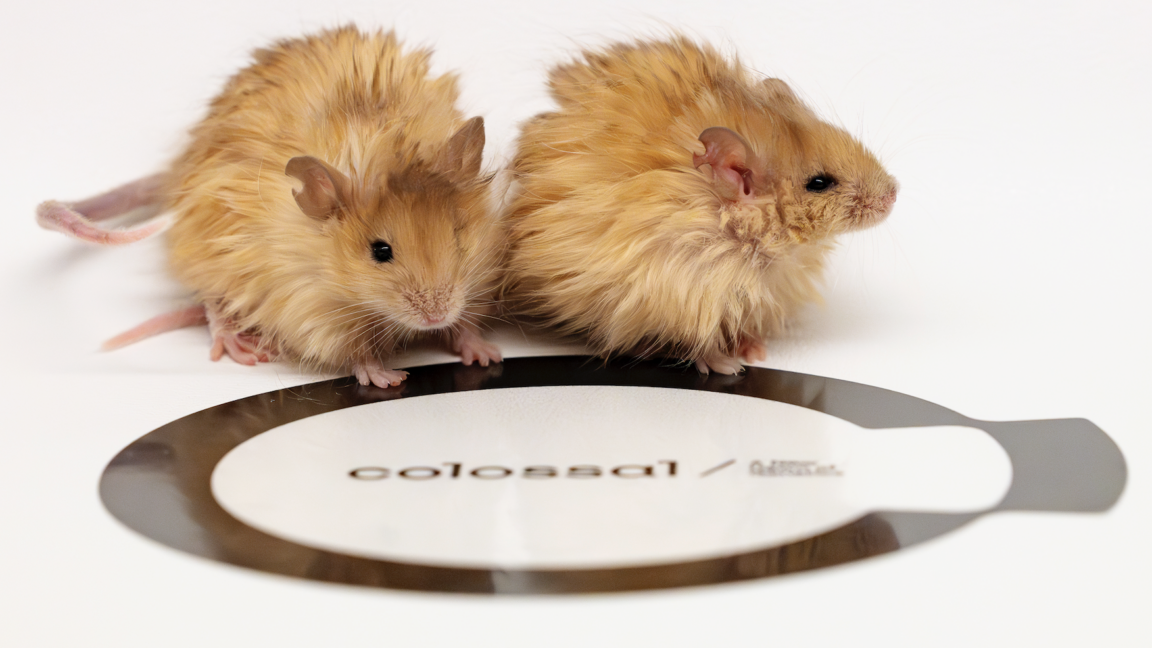
On Tuesday, the team behind the plan to bring mammoth-like animals back to the tundra announced the creation of what it is calling wooly mice, which have long fur reminiscent of the woolly mammoth. The long fur was created through the simultaneous editing of as many as seven genes, all with a known connection to hair growth, color, and/or texture.
But don’t think that this is a sort of mouse-mammoth hybrid. Most of the genetic changes were first identified in mice, not mammoths. So, the focus is on the fact that the team could do simultaneous editing of multiple genes—something that they’ll need to be able to do to get a considerable number of mammoth-like changes into the elephant genome.
Of mice and mammoths
The team at Colossal Biosciences has started a number of de-extinction projects, including the dodo and thylacine, but its flagship project is the mammoth. In all of these cases, the plan is to take stem cells from a closely related species that has not gone extinct, and edit a series of changes based on the corresponding genomes of the deceased species. In the case of the mammoth, that means the elephant.
But the elephant poses a large number of challenges, as the draft paper that describes the new mice acknowledges. “The 22-month gestation period of elephants and their extended reproductive timeline make rapid experimental assessment impractical,” the researchers acknowledge. “Further, ethical considerations regarding the experimental manipulation of elephants, an endangered species with complex social structures and high cognitive capabilities, necessitate alternative approaches for functional testing.”
So, they turned to a species that has been used for genetic experiments for over a century: the mouse. We can do all sorts of genetic manipulations in mice, and have ways of using embryonic stem cells to get those manipulations passed on to a new generation of mice.
For testing purposes, the mouse also has a very significant advantage: mutations that change its fur are easy to spot. Over the century-plus that we’ve been using mice for research, people have noticed and observed a huge variety of mutations that affect their fur, altering color, texture, and length. In many of these cases, the changes in the DNA that cause these changes have been identified.
[ad_2]
Source link


