[ad_1]
The U.S. Treasury’s Office of Foreign Assets Control (OFAC) recently announced a major sanctions package targeting Mohammad Hossein Shemkhani and key components of the Koban and Oceanlink network, as reported in Reuters and other trade and national media.
The U.S. Treasury is describing it as the most significant Iran-related action since 2018 – and it’s a move with major implications for the maritime and compliance sectors.
Pole Star Global, the world leader in maritime intelligence and regulatory compliance, had every single tanker included in these designations already flagged in its Deep Blue Intelligence (DBI) platform.
Pole Star was also the first to identify and unpack the Koban network – and is the only organisation publicly connecting it to Oceanlink, another sanctioned actor.
This is a significant development. When asked which Dark Fleet actor presents the greatest risk, my immediate answer is Koban.
One of the key takeaways is the fragmentation of enforcement. Last week, the U.K. and EU sanctioned Shemkhani for involvement in the Russian crude trade. The U.K. had already sanctioned Fractal for price cap evasion. Now OFAC has designated Shemkhani, Koban, and Fractal under Iran-related sanctions. These overlaps show how deeply connected the Russia and Iran sanctions programmes are – and why focusing on just one is no longer viable.
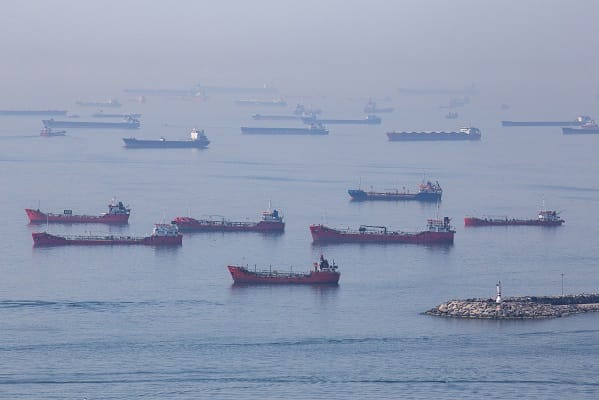
Shemkhani’s network includes 49 tankers that move both Russian and Iranian oil. These vessels actively use deceptive shipping practices such as AIS spoofing, and rely on jurisdictions that provide corporate secrecy, like the Seychelles and Hong Kong. Most are managed by companies based in the UAE – all of which match risk indicators we screen for in DBI.
While OFAC’s action today was forceful, it left 15 of the 49 Koban/Oceanlink tankers – over 30% – untouched. Of the 27 tankers operated by Fractal, 11 (over 40%) have not been sanctioned by any authority. Two more are sanctioned by the Coalition but not by the U.S. In total, roughly half of Fractal’s fleet is not directly sanctioned, but is still owned or operated by a sanctioned person.
This highlights an important point: DBI clients remain protected not only from the vessels now designated, but also from many that are still operating without restriction despite clear links to sanctions evasion.
[ad_2]
Source link


