Not all batteries age the same way. Some problems will appear quickly, but others won’t be noticeable until after many charge/discharge cycles. A few years back, Samsung released the Galaxy Note 7 with a slightly larger battery than the previous model. Within weeks, the phones started to catch fire, and even after swapping in a different battery pack, the issue persisted. It was a huge mess that led to a recall and steep financial losses.
Samsung’s battery missteps may have prompted manufacturers to take possible battery defects more seriously. So when Google detected problems with aging Pixel 4a batteries, it didn’t take any chances. It decided to degrade the experience on the remaining Pixel 4a units out there, even if the lower capacity and slower charging upset users. When Pixel 6a units started to catch fire again, Google decided to simply limit battery performance.
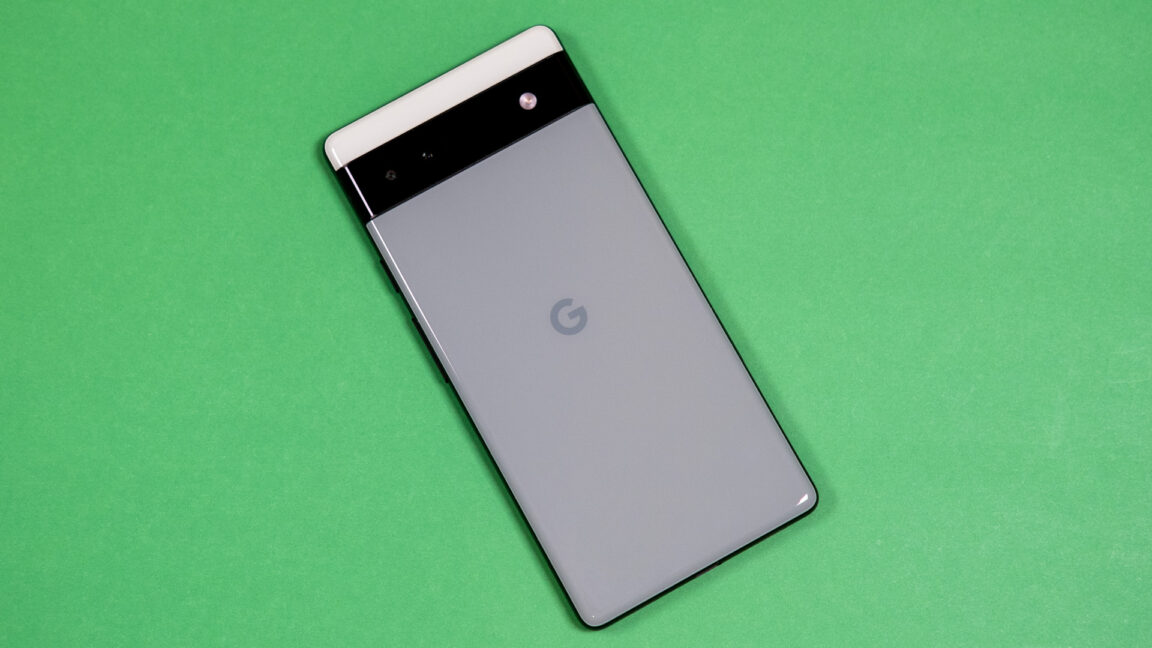
The mandatory Android 16 July update will limit battery charging speed and capacity on affected phones.
Credit:
Ryan Whitwam
Pixel 4a units contained one of two different batteries, and only the one manufactured by a company called Lishen was downgraded. For the Pixel 6a, Google has decreed that the battery limits will be imposed when the cells hit 400 charge cycles. Beyond that, the risk of fire becomes too great—there have been reports of Pixel 6a phones bursting into flames.
Clearly, Google had to do something, but the remedies it settled on feel unnecessarily hostile to customers. It had a chance to do better the second time, but the solution for the Pixel 6a is more of the same.
A problem of Google’s making
Like other smartphone manufacturers, Google moved away from offering removable batteries in the 2010s to make phones slimmer and more durable. Smartphone makers largely dismissed the concerns of repair advocates who pointed out that lithium-ion batteries degrade over time, and making them difficult to remove wasn’t the best idea. However, this was a time when people only kept smartphones for a year or two before upgrading, but we have since entered an era in which people use phones for much longer. The way phones are marketed has changed to reflect that—Google has enacted longer support windows, topping out at seven years for its latest phones.


