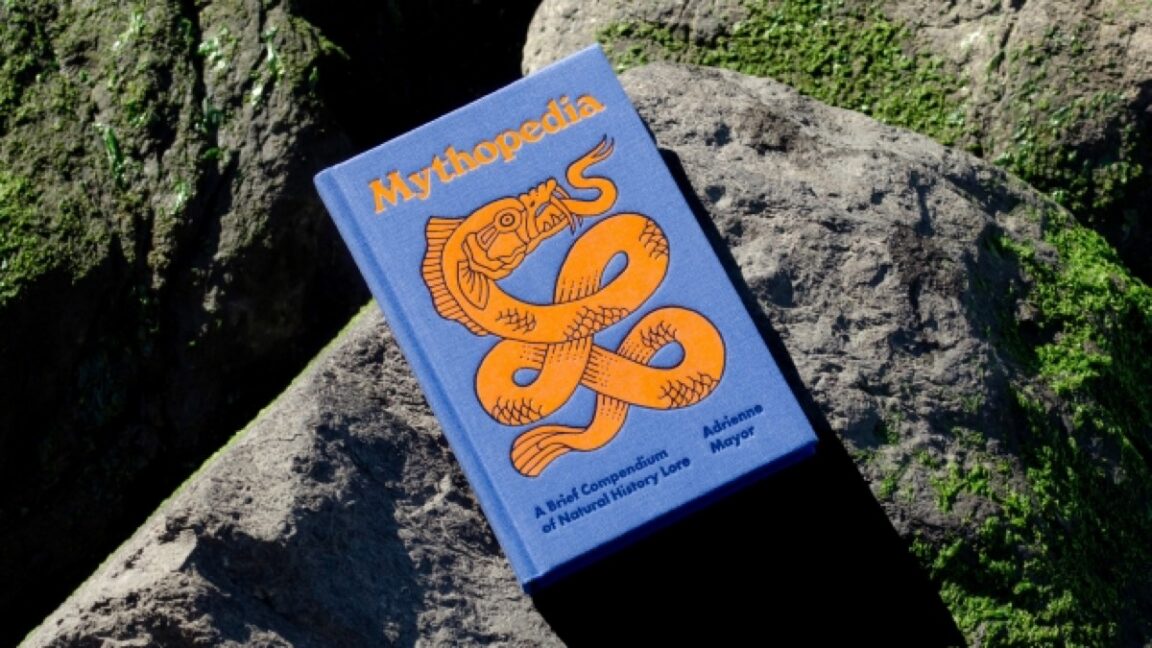
But the ones that are about nature, about natural disasters, are based on very keen observations and repeated observations of the landscape. They also can contain details that are recognizable to scientists who study earthquakes or volcanoes. The scientists then realized that there had to be, in some cases, eyewitness accounts of these geomyths. Geomythology is actually enhancing our scientific understanding of the history of Earth over time. It can help people who study climate change figure out how far back certain climate changes have been happening. They can shed light on how and when great geological upheavals actually occurred and how humans responded to them.
Ars Technica: How long can an oral tradition about a natural disaster really persist?
Adrienne Mayor: That was one of the provocative questions. Can it really persist over centuries, thousands of years, millennia? For a long time people thought that oral traditions could not persist for that long. But it turns out that with detailed studies of geomyths that can be related to datable events like volcanoes or earthquakes or tsunamis from geophysical evidence, we now know that the myths can last thousands of years.
For instance, the one that is told by the Klamath Indians about the creation of Crater Lake in Oregon that happened about 7,000 years ago—the details in their myth show that there were eyewitness accounts. Archaeologists have found a particular kind of woven sandal that was used by indigenous peoples 9,000 to 5,000 years ago. They found those sandals both above and below the ash from the volcano that exploded. So we have two ways of dating that. In Australia, people who study the geomyths of the Aborigines can relate their stories to events that happened 20,000 years ago.
Ars Technica: You mentioned that your interest in geomythology grew out of Greek and Roman interpretations of certain fossils that they found.
Adrienne Mayor: That really did trigger it, because it occurred to me that oral traditions and legends—rather than myths about gods and heroes—the ones that are about nature seem to have kernels of truth because it could be reaffirmed and confirmed and supported by evidence that people see over generations. I was in Greece and saw some fossils that had been plowed up by farmers on the island of Samos, thigh-bones from a mastodon or a mammoth or a giant rhinoceros. The museum curator said, “Yes, farmers bring us these all the time.” And I thought, why hasn’t it occurred to anyone that they were doing this in antiquity as well?


