[ad_1]
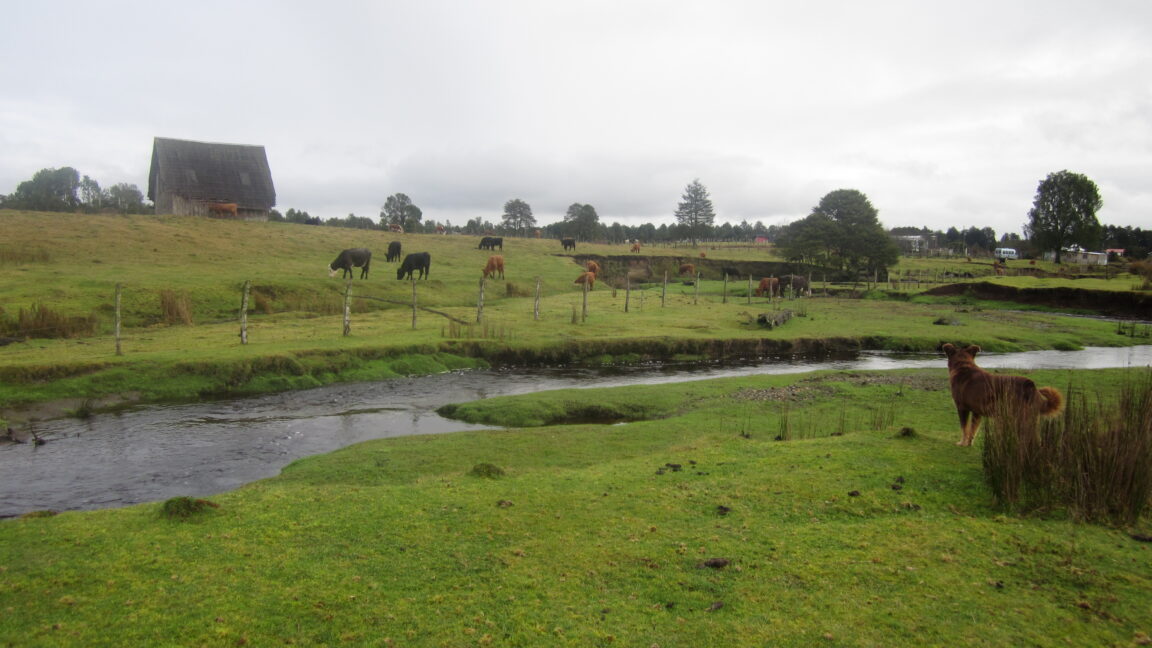
It took nearly a decade for most archaeologists to come around to the idea, but Monte Verde rewrote the story we thought we knew about how (and when) people first moved into, and spread throughout, the Americas. For once in the history of science, that statement isn’t just a headline-grabbing exaggeration—it was really that big a deal.
However, Surovell and his colleagues recently re-evaluated those dates and realized the site can’t be more than 8,000 years old. So what does that mean for the story it had helped re-write? Surprisingly little, it turns out.
Digging into the details
Surovell and his colleagues didn’t challenge the accuracy of the original radiocarbon dates. The bits of organic matter in the layer of sediment at the site are, they agree, around 14,500 years old. Instead, Surovell and his colleagues questioned whether that sediment layer actually covered the site 14,500 years ago or if it washed in later from a part of the riverbank laid down much earlier. In general, newer layers of sediment stack on top of older ones, but real-world geology is often messier than that, and that seems to be what happened at Monte Verde.
The archaeologists mapped the layers of sediment around the site: layers of sand and gravel left behind by glaciers 26,000 years ago, wood-laden silt from peaty marshes 15,000 to 13,000 years ago, a layer of volcanic debris that blanketed the whole region 11,000 years ago. And through it all, the channel cut by what’s now Chinchihuapi Creek, which carved its way through the volcanic layer and into the buried marshes beneath sometime between 11,700 and 7,600 years ago.
And that’s the complicated part, because the creek left older layers of sediment exposed on the hillsides along its banks. When it flooded, it scooped out some of that older sediment and deposited it on the floodplain, forming the ground where a group of around 20 or 30 ancient Chileans would eventually set up camp.
[ad_2]
Source link


