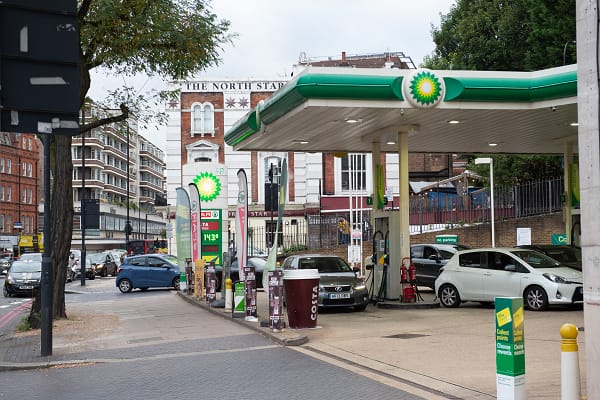
Rachel Reeves has come under significant criticism recently for failing to announce any additional support for motorists in the United Kingdom, especially given the escalating petrol and diesel prices, largely driven by geopolitical tensions in the Middle East.
These price hikes have left many drivers feeling the financial strain, intensifying calls for government intervention.
In her Spring Statement, the Chancellor placed a strong emphasis on measures designed to reduce inflation and bolster household incomes.
She highlighted expected interest rate cuts and projected improvements in the overall cost of living as key factors in her fiscal strategy. However, her address notably lacked any new provisions to alleviate the burden on motorists facing rising fuel costs directly.
When it comes to fuel duty, the Government reaffirmed its commitment to previously announced measures.
Specifically, the temporary 5p-per-litre reduction in fuel duty, implemented in response to the upheaval caused by the Ukraine conflict, will be gradually rolled back. This will include a 1p increase by September of this year, followed by a 2p increase in December, and another 2p increase slated for March 2027.
Furthermore, the Government announced that a planned inflation-linked rise in fuel duty for the fiscal year 2026–2027 will not take place. Officials explained that extending the freeze on fuel duty was aimed at helping households navigate long-term fuel cost pressures amidst a challenging economic landscape.
Despite this, experts and motoring organisations have voiced strong concerns and urged the Government to take additional measures in light of the recent instability involving Iran and the associated risks to regional shipping. These factors have contributed to volatility in global oil markets, raising alarms about potential impacts on consumer prices. However, the Chancellor did not present any new strategies specifically addressing the surging prices of petrol or diesel, leading many to feel that the needs of the driving public have been overlooked.
Howard Cox, Founder of FairFuelUK said: “This was a missed economic growth opportunity for the Chancellor amid a new damaging oil crisis. With refineries, oil tankers, and the Straits of Hormuz being targeted, oil prices will continue to climb relentlessly. A barrel of crude is, at the time of writing, already over $84 . This will add 5-10p per litre in the next week or so.
A sustained rise in Brent to $100 could add 10-20p per litre to petrol and diesel within weeks, based on historical patterns—similar to the surges seen in 2022 when oil hit $120 amid the Ukraine invasion.
“For over two decades, our clueless politicians have not planned to be self-sufficient in oil and gas production. They should be held to account for making the UK reliant on imports. FairFuelUK continues to call on Rachel Reeves to cut Fuel Duty, but at the very least keep it frozen for the lifetime of this parliament.
“Independent retailers are held to ransom by ruthless cash-grabbing wholesalers and the big brands. So, I call for FairFuelUK’s PumpWatch to be rigorously and legally implemented to prevent the inevitable opportunistic profiteering. We will see punitive hikes, as the secret pump pricing algorithm that makes no logical sense to anyone will be ruthlessly exploited yet again by the fuel supply chain.”
Recent reports suggest that some petrol stations across the UK have begun to raise their prices, resulting in long queues of drivers waiting to fill up their tanks. This surge in prices has been linked to fluctuations in the global oil market, exacerbated by the ongoing conflict in the Middle East.
The Chancellor’s statement was delivered against a challenging backdrop, with a fragile global energy outlook. Market reactions have been influenced by shipping risks and uncertainties regarding oil supply. Energy analysts are warning that ongoing disruptions to Gulf trade routes could significantly increase transportation costs in the UK, ultimately leading to higher consumer inflation as these costs are passed down to everyday goods and services. The combination of these factors paints a concerning picture for motorists and the general public alike as they navigate rising fuel and transportation costs.


