[ad_1]
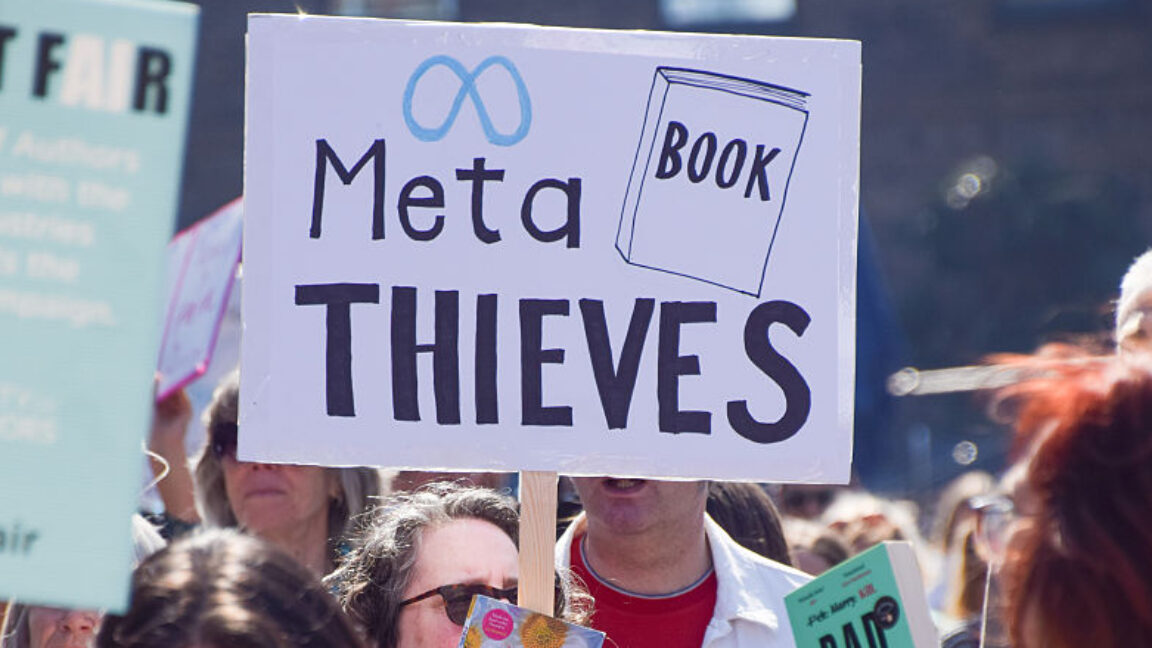
An interesting wrinkle that may have stopped authors from invoking market dilution as a threat in the Meta case is that Chhabria noted that Meta had argued that “market dilution does not count under the fourth factor.”
But Chhabria clarified “that can’t be right.”
“Indirect substitution is still substitution,” Chhabria wrote. “If someone bought a romance novel written by [a large language model (LLM)] instead of a romance novel written by a human author, the LLM-generated novel is substituting for the human-written one.” Seemingly, the same would go for AI-generated non-fiction books, he suggested.
So while “it’s true that, in many copyright cases, this concept of market dilution or indirect substitution is not particularly important,” AI cases may change the copyright landscape because it “involves a technology that can generate literally millions of secondary works, with a miniscule [sic] fraction of the time and creativity used to create the original works it was trained on,” Chhabria wrote.
This is unprecedented, Chhabria suggested, as no other use “has anything near the potential to flood the market with competing works the way that LLM training does. And so the concept of market dilution becomes highly relevant… Courts can’t stick their heads in the sand to an obvious way that a new technology might severely harm the incentive to create, just because the issue has not come up before.”
In a way, Chhabria’s ruling provides a roadmap for rights holders looking to advance lawsuits against AI companies in the midst of precedent-setting rulings.
Unfortunately for book authors suing Meta who found a sympathetic judge in Chhabria—but only made a “fleeting reference” to indirect substitution in a single report in its filings ahead of yesterday’s ruling—”courts can’t decide cases based on what they think will or should happen in other cases.”
If their allegations were just a little stronger, Chhabria suggested they could have even won on summary judgment, instead of Meta.
“Indeed, it seems likely that market dilution will often cause plaintiffs to decisively win the fourth factor—and thus win the fair use question overall—in cases like this,” Chhabria wrote.
[ad_2]
Source link


