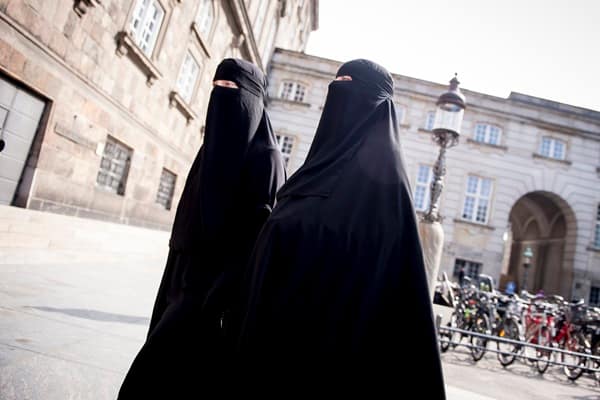
Former Home Secretary Suella Braverman has reignited the national debate by calling for a ban on the burka in public spaces — including schools — highlighting concerns about how such measures could influence social cohesion and community relations across Britain.
Now a senior figure in Reform UK, Braverman said garments such as the burka and niqab act as a barrier to social cohesion.
The former minister told The Sun that the burka should be prohibited in public places, prompting debate over the legal and ethical implications of restricting religious attire in the UK.
Braverman said face-covering garments prevent mutual recognition in society and are incompatible with integration.
She urged restrictions, particularly in classrooms, claiming children should be able to interact openly in educational settings.
Her comments come amid wider political debate over school policies linked to gender identity and youth transition guidance.
Braverman criticised the Equality and Human Rights Commission framework, claiming it has increased social division.
She said recent guidance from the education sector allowing young children to transition socially represents a “betrayal of children”.
The former minister argued that many children struggling with gender identity require mental health support rather than irreversible medical intervention.
Supporters of restrictions have pointed to facial covering bans already implemented across parts of Europe.
Braverman and other Reform figures argue that such policies promote assimilation and public security.
The response emphasised the contribution of faith communities to British society.
Critics argue a burka ban would restrict religious freedom, which is a fundamental right, while supporters say it would help promote social integration.
The debate is expected to intensify as migration, education, and cultural identity issues, which shape the nation’s diversity, dominate the political agenda.
The Government said they are “committed to celebrating and promoting… the huge contribution of people of faith to public life.”
“There is no current legislation that bans the wearing of religious or non-religious face coverings and the Government has no intention to introduce any,” the petition response continued.


