
As global cities race toward a more sustainable and efficient future, London has emerged as a leading example of how technology can transform urban living. At the heart of this transformation lies embedded systems—specialized computing units integrated into physical infrastructure that enable real-time monitoring, automation, and intelligent decision-making.
From transport networks to energy systems and logistics hubs, embedded technologies are helping London-based businesses reduce operational costs, improve efficiency, and meet ambitious environmental targets.
The role of embedded systems in smart cities
Embedded systems are not new, but their capabilities have evolved significantly in recent years. Today, they combine sensors, connectivity, and processing power to collect and analyse data at the edge—often without the need for constant cloud interaction.
In a smart city context, this means infrastructure can “think” and respond in real time. Traffic lights adapt to congestion patterns, energy grids balance supply and demand dynamically, and logistics networks optimize routes based on live conditions.
For a complex and densely populated city like London, these capabilities are essential.
Transforming urban transport networks
Transportation is one of the most visible areas where embedded systems are making an impact. London’s transport infrastructure—already one of the most advanced in the world—is becoming even smarter through the integration of intelligent devices.
Sensors embedded in roads, buses, and rail systems continuously monitor traffic flow, vehicle performance, and passenger demand. This data enables dynamic traffic management, reducing congestion and minimizing fuel consumption.
For businesses, the benefits are clear. Delivery companies can optimize routes in real time, reducing both costs and emissions. Public transport operators can improve service reliability, enhancing customer satisfaction while lowering operational inefficiencies.
The result is a more fluid, responsive transport ecosystem that supports both economic activity and environmental sustainability.
Smarter energy management for a greener city
Energy efficiency is another critical area where embedded systems are driving innovation. As London works toward its net-zero goals, businesses are under increasing pressure to reduce their carbon footprint.
Embedded systems in smart meters, building management systems, and energy grids provide granular visibility into energy consumption. Companies can monitor usage patterns, identify inefficiencies, and automate energy-saving measures.
For example, office buildings equipped with embedded sensors can adjust lighting, heating, and cooling based on occupancy in real time. Industrial facilities can optimize machinery usage to avoid energy waste during peak hours.
These improvements not only reduce environmental impact but also translate into significant cost savings—making sustainability a financially viable strategy rather than just a regulatory requirement.
Revolutionising logistics and supply chains
London’s position as a global business hub makes logistics efficiency a top priority. Embedded systems are playing a crucial role in modernizing supply chains and distribution networks across the city.
Warehouses are increasingly adopting automated systems powered by embedded controllers that manage inventory, track goods, and coordinate robotic operations. Meanwhile, connected vehicles and fleet management systems provide real-time visibility into delivery processes.
This level of integration allows companies to minimize delays, reduce fuel consumption, and improve overall operational efficiency. In a city where congestion and high operational costs are constant challenges, these advantages are particularly valuable.
The growing need for advanced development expertise
While the benefits of embedded systems are substantial, implementing them at scale is far from simple. These systems require seamless integration between hardware and software, as well as robust security and scalability.
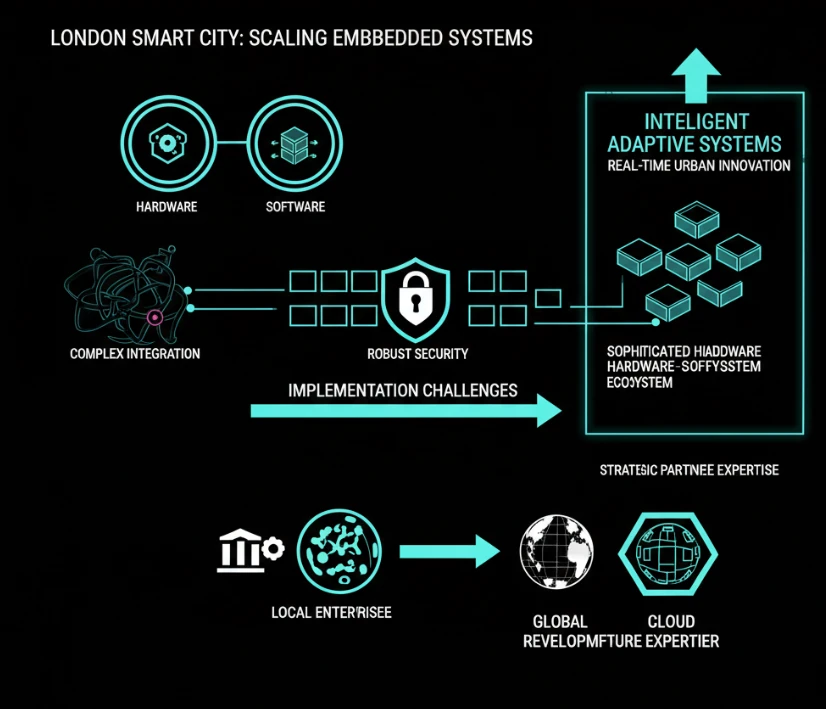
As London aims to become a world-leading smart city, the demand for specialized embedded development services has skyrocketed. Local enterprises are increasingly looking for a strategic partner in a global software development company to design the sophisticated hardware-software ecosystems required for modern urban infrastructure.
Such partnerships enable businesses to move beyond basic automation and develop truly intelligent systems that can adapt to changing conditions in real time.
Sustainability meets profitability
One of the most compelling aspects of embedded systems is their ability to align sustainability with profitability. By optimizing resource usage—whether it’s energy, fuel, or time—these technologies help businesses reduce costs while also lowering their environmental impact.
This dual benefit is particularly important in a city like London, where regulatory pressures and consumer expectations around sustainability are both increasing. Companies that adopt smart technologies not only stay compliant but also gain a competitive edge.
Looking ahead: The future of urban innovation
The evolution of embedded systems is far from over. As technologies such as edge computing, 5G connectivity, and artificial intelligence continue to mature, their integration into urban infrastructure will become even more seamless and powerful.
For London, this means a future where systems across transport, energy, and logistics are fully interconnected—creating a cohesive, intelligent urban ecosystem. Businesses operating within this environment will benefit from unprecedented levels of efficiency, insight, and adaptability.
Conclusion
London’s journey toward becoming a smarter, greener city is being powered by embedded systems that bring intelligence to everyday infrastructure. By enabling real-time data processing, automation, and optimization, these technologies are transforming how businesses operate across transport, energy, and logistics.
As adoption accelerates, the companies that invest in advanced embedded solutions—and the expertise required to implement them—will be best positioned to thrive in the evolving urban landscape. In this new era, innovation is not just about technology; it’s about building a city that works smarter for everyone.


