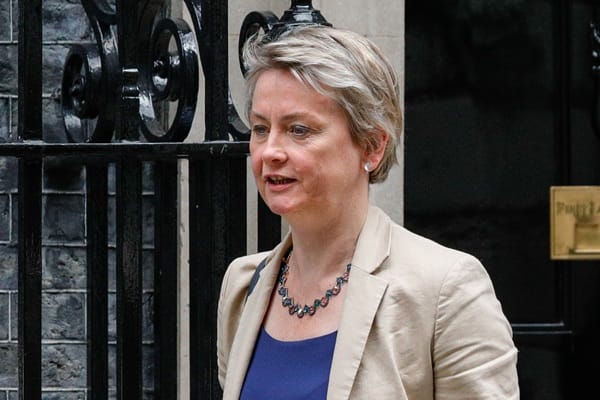
The Foreign Secretary Yvette Cooper has warned that Iran should not impose tolls on shipping through the Strait of Hormuz, acknowledging that considerable work is needed to reopen this vital energy route.
Speaking amid a fragile ceasefire, Cooper said it was “crucially important” to restore access to the strait, through which around a fifth of the world’s oil and gas flows. She stressed that no country should be able to “hijack” such a vital international passage.
“It is crucial that Iran is not allowed to impose tolls on the Strait of Hormuz,” she said. “This is an international transit route through the high seas, and it cannot be allowed to impose restrictions as it reopens.”
Iran has effectively blockaded the strait in retaliation for US strikes on Tehran and has signalled it may begin charging vessels for passage — a move that has alarmed governments and sent global energy prices higher.
Cooper said she had been in contact with Gulf partners, who had made clear the proposal was a “hard no” due to the potential disruption to international shipping. She is due to meet with the International Maritime Organisation to discuss plans to restart traffic through the chokepoint.
Her comments come as Sir Keir Starmer arrived in the UAE as part of a regional visit, with fears mounting that the two-week ceasefire between the US and Iran is beginning to fray.
Confusion has already emerged over the scope of the truce, after claims it extended to Lebanon were disputed by both Benjamin Netanyahu and the White House. Meanwhile, Israeli strikes on Lebanon have intensified, with reports of hundreds killed or injured.
Cooper said she was “deeply troubled” by the escalation, warning of severe humanitarian consequences and calling for the ceasefire to be expanded.
She also criticised Donald Trump’s “escalatory rhetoric” after he threatened renewed military action if the agreement is not upheld.
Despite tensions, Cooper insisted the UK would continue to work closely with Washington. “This is not just a good relationship; it’s a really important relationship,” she said, adding that cooperation would continue despite areas of disagreement.


