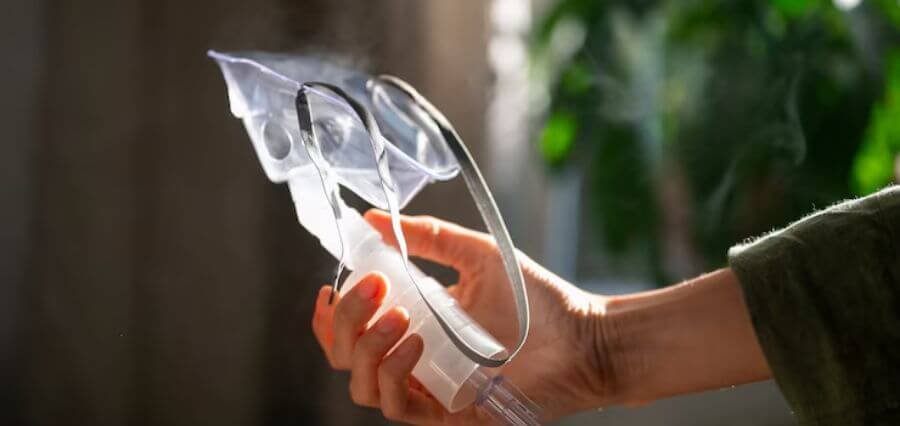
Using a CPAP (Continuous Positive Airway Pressure) machine is a life-changing solution for millions dealing with obstructive sleep apnea. However, your therapy is only as effective—and safe—as your equipment is clean. Neglecting CPAP cleaning can lead to mold buildup, bacteria exposure, respiratory infections, and reduced machine lifespan.
This comprehensive CPAP cleaning and maintenance guide explains how to properly care for your cpap machine, mask, tubing, and accessories to ensure your therapy remains hygienic, comfortable, and effective.
Why CPAP Cleaning Matters
Your CPAP system delivers pressurized air directly into your airway for hours every night. Over time, moisture from exhalation, room humidity, and condensation can create a breeding ground for bacteria, mold, and allergens—especially in the tubing and humidifier chamber. Residual facial oils, sweat, and skin cells on the cpap masks cushion can also affect the seal and irritate the skin.
Common issues caused by poor CPAP hygiene:
- Sinus infections or nasal congestion
- Coughing, sore throat, or bronchitis
- Mask leaks due to cushion degradation
- Reduced machine performance and shorter lifespan
Regular cleaning not only protects your health but also improves therapy effectiveness and comfort.
Always follow the specific cleaning instructions in your manufacturer’s manual. Products like ResMed AirSense 11 and AirMini have easily detachable parts, making regular cleaning simpler and faster.Step-by-Step CPAP Cleaning Routine
- Disconnect and Disassemble
Unplug your CPAP machine from the power source. Remove the mask, tubing, water chamber, and any filters. Never submerge the machine itself in water. - Wash the Mask and Tubing
Use warm water and a small amount of mild, fragrance-free soap (such as baby shampoo or dish soap). Do not use vinegar, bleach, or alcohol-based cleaners unless specified by your manufacturer. Rinse thoroughly and hang the tubing over a towel bar or shower rod to drip dry. Lay the mask components on a clean towel to air dry. - Clean the Humidifier Chamber
Rinse the chamber daily with warm water and allow it to air dry completely before reassembling. Once a week, soak the chamber in a 1:1 solution of white vinegar and water for 15–20 minutes to disinfect. Rinse well to remove vinegar odor and let it dry. - Clean Filters and Wipe Down Machine
If your CPAP has reusable filters, rinse them with water and allow to dry completely before reinserting. Disposable filters should be replaced as per the manufacturer’s schedule. Use a damp cloth to wipe the outer surface of the machine. Avoid using spray cleaners near the electronics.
Avoid These Common Cleaning Mistakes
- Skipping cleaning for days or weeks: This builds up biofilm and mold that are hard to remove.
- Using harsh chemicals: Bleach, alcohol, and strong cleaners can damage silicone and plastic parts.
- Reassembling before drying: Trapped moisture fosters bacterial and mold growth.
- Using tap water in the humidifier: Always use distilled water to avoid mineral deposits.
When to Replace CPAP Components
Even with excellent care, CPAP parts wear out over time. Follow these general replacement guidelines for optimal performance:
- Mask cushions/pillows: Every 1–2 months
- Tubing: Every 3–6 months
- Humidifier chamber: Every 6 months
- Headgear/straps: Every 6 months
- Disposable filters: Every 1 month
- Reusable filters: Every 6 months
Using worn-out components reduces therapy effectiveness and may cause air leaks or discomfort.
Should You Use CPAP Cleaning Machines?
There are automated CPAP sanitizers that use ozone or UV light, such as SoClean or Lumin. While convenient, they are not FDA-approved as substitutes for manual cleaning. Additionally, ozone-based cleaners may damage some CPAP parts over time and should only be used with manufacturer approval.
Manual cleaning with soap and water remains the safest and most effective method for maintaining your equipment.
Conclusion
Consistent CPAP cleaning and maintenance are non-negotiable for safe and effective sleep apnea therapy. By establishing a simple daily and weekly cleaning routine, you’ll avoid infections, extend your machine’s life, and ensure your nightly therapy remains comfortable and reliable.
Think of CPAP hygiene as part of your sleep wellness. A few minutes of care each day protects the investment you’ve made in your health and helps you breathe easier—night after night.


