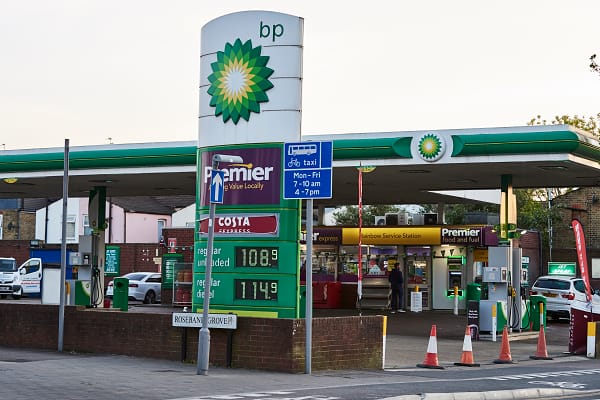
UK motorists are strongly advised to refuel their vehicles as soon as possible due to escalating tensions in the Middle East, particularly involving Iran.
These developments raise significant concerns about potential increases in fuel prices over the coming days.
According to the AA, the average retail prices of petrol and diesel have already begun to rise over the past week, and this trend could accelerate if the situation deteriorates further.
At the heart of these concerns is the Strait of Hormuz, a strategic maritime corridor that plays a critical role in global oil transportation.
AA spokesperson Luke Bosdet told the Guardian: “Pump prices have been rising over the past week and the conflict escalation in the Middle East threatens even higher fuel costs for UK drivers.”
This strait is vital for tankers, as it accounts for approximately 20% of the world’s oil supply and a substantial share of seaborne gas.
Recently, Iran has issued warnings indicating that it may restrict maritime passage through the strait, further intensifying fears among energy market analysts. The UK Maritime Trade Operations has reported that two ships have already been struck near this essential trade route, highlighting the risks involved.
Emma Wall, chief investment strategist at Hargreaves Lansdown, said: “Oil prices have unsurprisingly rallied, up as much as 13 per cent through Asian trading.
“Brent crude opened the week at $82 – up $10 on Friday’s price.
“Iran is only responsible for around five per cent of global oil supply, but the UAE, which has come under retaliatory fire because of its US military bases, is the fifth largest global exporter.
“Further pressures were added yesterday afternoon as Iran targeted the Strait of Hormuz, a narrow pass between Oman and Iran through which ships carrying around a fifth of the world’s oil and gas pass daily.
“In response, tankers halted movement to protect their cargo and have yet to resume normal activity.”
In response to these geopolitical tensions, energy markets have reacted sharply. The price of Brent crude oil surged by as much as 13%, briefly reaching levels above $82 per barrel.
By mid-morning, Brent prices were still up 8.8%, at $79.30 per barrel. Such volatility in oil prices is typically reflected in retail fuel costs, albeit with a lag, suggesting that the current surge in crude prices could soon translate into higher pump prices.
Currently, the average prices for fuel in the UK are 132.9 pence per litre for petrol and 142.4 pence per litre for diesel. As wholesale oil prices typically influence retail fuel prices, sustained high prices could lead to notable increases at forecourts in the near future. If shipping disruptions in the Gulf continue, analysts caution that wholesale fuel costs will likely escalate, resulting in even higher prices at petrol stations and contributing to growing inflationary pressures throughout the economy.
For motorists who rely on their vehicles for daily commuting or other essential travel, now may be an advantageous time to refuel. By doing so before further wholesale price increases take effect, they might avoid paying higher prices in the near future, thus saving money during these uncertain times.


