Annual inflation in the euro area rose to 1.9% in February, up from 1.7% in January, according to Eurostat’s confirmation on Wednesday.
This increase in inflation is attributed to the continued rise in prices for services and consumer goods. Across the European Union, the inflation rate climbed to 2.1%, up from 2.0% in January.
Services experienced the highest annual increase at 3.4%, followed by food, alcohol, and tobacco at 2.5%. Non-energy industrial goods saw a more modest increase of 0.7%.
Meanwhile, energy prices fell by 3.1% over the month, which helped to temper overall inflation pressures. Core inflation, which excludes the volatile prices of food, energy, alcohol, and tobacco, rose to 2.4%, consistent with preliminary estimates.
Romania recorded the highest inflation rate at 8.3%, followed by Slovakia at 4% and Croatia at 3.9%. On the lower end of the spectrum, Denmark had the lowest inflation rate at 0.5%, followed by the Greek Cypriot Administration at 0.9% and the Czech Republic at 1%. Every month, consumer prices in the euro area increased by 0.6%, slightly below market expectations of 0.7%.
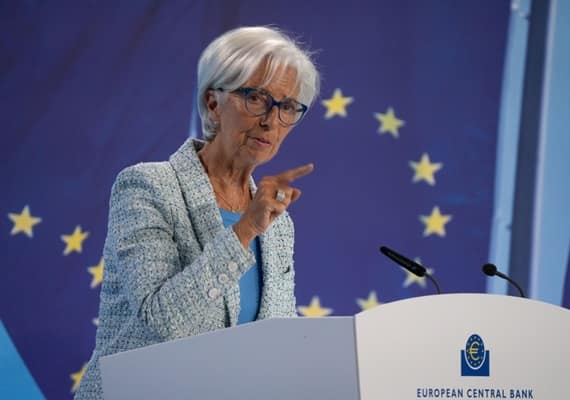
These figures are released just before Thursday’s European Central Bank (ECB) rate-setting meeting, the first since the Gulf crisis began on February 28. The Bank of England will also announce its interest rate decision on the same day. Markets are closely monitoring these developments for guidance on the consumer price outlook amid uncertainty surrounding the war in Iran and its potential impact on global energy markets.
Financial analysts expect the ECB to maintain rates at 2% for the time being, with a quarter-point increase anticipated for July and an 85% chance of a second hike by the end of the year. Meanwhile, expectations for US Federal Reserve rate cuts this year have been reduced to just one.
“The escalation in the Gulf has introduced new uncertainty into energy markets, forcing central banks to balance inflation risks with economic growth,” said one analyst. “The coming weeks will be crucial in determining whether the current price pressures develop into a sustained inflation shock.”


