
[ad_1]
UPDATE: November 28, 3:20 PM California time. The headline of this post has been changed. This update is adding the following further details: this threat is not a UEFI firmware implant or rootkit, it’s a UEFI bootkit attacking the bootloader. The Bootkitty sample analyzed by ESET was not unkillable. Below is the article with inaccurate details removed.
Researchers at security firm ESET said Wednesday that they found the first UEFI bootkit for Linux. The discovery may portend that UEFI bootkits that have targeted Windows systems in recent years may soon target Linux too.
Bootkitty—the name unknown threat actors gave to their Linux bootkit—was uploaded to VirusTotal earlier this month. Compared to many Windows UEFI bootkits, Bootkitty is still relatively rudimentary, containing imperfections in key under-the-hood functionality and lacking the means to infect all Linux distributions other than Ubuntu. That has led the company researchers to suspect the new bootkit is likely a proof-of-concept release. To date, ESET has found no evidence of actual infections in the wild.
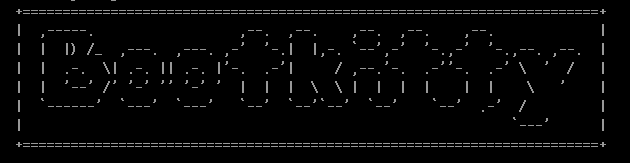
The ASCII logo that Bootkitty is capable of rendering.
Credit:
ESET
Be prepared
Still, Bootkitty suggests threat actors may be actively developing a Linux version of the same sort of bootkit that previously was found only targeting Windows machines.
“Whether a proof of concept or not, Bootkitty marks an interesting move forward in the UEFI threat landscape, breaking the belief about modern UEFI bootkits being Windows-exclusive threats,” ESET researchers wrote. “Even though the current version from VirusTotal does not, at the moment, represent a real threat to the majority of Linux systems, it emphasizes the necessity of being prepared for potential future threats.”
The Bootkitty sample ESET found is unable to override a defense, known as UEFI Secure Boot, that uses cryptographic signatures to ensure that each piece of software loaded during startup is trusted by a computer’s manufacturer. Secure Boot is designed to create a chain of trust that prevents attackers from replacing the intended bootup firmware with malicious firmware. When Secure Boot is enabled, if a single firmware link in that chain isn’t recognized, the device won’t boot.
[ad_2]
Source link


