European gas prices have seen a dramatic increase, marking the largest spike since the Russian invasion of Ukraine began.
This surge is largely a result of Qatar’s decision to suspend its liquefied natural gas (LNG) production following reports of Iranian drone attacks targeting its facilities.
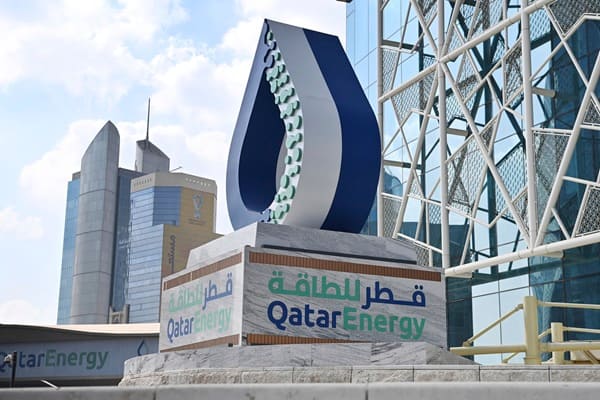
QatarEnergy, the state-backed energy giant responsible for Qatar’s LNG output, confirmed that it had halted production at certain sites in response to these strikes.
Official statements from Qatari ministers indicated that an Iranian drone had specifically targeted one of the company’s production facilities, raising serious concerns about the security of energy supplies globally.
Qatar is a key player in the LNG market, supplying approximately 20% of the world’s total LNG. Any disruption to its output has significant implications for energy markets and global prices.
On Monday, this disruption led to a staggering 52% surge in European wholesale gas prices, underscoring the market’s volatility. Specifically, in London, April gas delivery contracts rose by around 43%, reaching 115 pence per therm, the steepest single-day rise since March 2022. This past increase had similarly chaotic effects on the market in response to Russia’s full-scale invasion of Ukraine.
In addition to gas prices, oil prices also climbed significantly as investors reacted to the escalating conflict between Iran and US-Israeli forces. The geopolitical tensions have raised alarms, contributing to fears of ongoing energy supply disruptions that could lead to higher inflation and slower global economic growth.
In the United Kingdom, changes in wholesale gas prices are crucial because they directly affect household energy bills. If these elevated prices persist, families across the UK could face renewed financial pressure from rising heating and electricity costs in the upcoming months.
This situation could complicate existing inflation forecasts and challenge fiscal planning for consumers and policymakers alike, raising important questions about energy security and economic stability in the near future.
Neil Wilson, Saxo UK investor strategist, said: “Qatar is a top three LNG exporter, controlling roughly a quarter of expected supply over the next decade.
“Looks like Iran’s tactic is to pressure Gulf states so they in turn pressure the US and Israel to back off.
“I am much more concerned about European natural gas prices than oil prices, in terms of seeing a repeat of the 2022 European energy crisis.”
Chris Beauchamp, chief market analyst at IG, said: “While we have seen a significant surge in oil prices since markets opened last night, the gains appear contained for now as we wait to see if shipping through Hormuz can continue at lower levels or will be blocked entirely.
“Oil and gas infrastructure in the region has not yet been extensively targeted, keeping oil well south of the 100 dollar barrel range that many expected as a result of the weekend.”


