[ad_1]
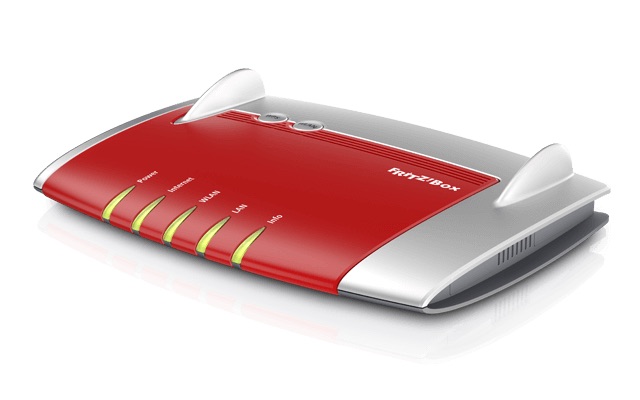
The GNU General Public License (GPL) and its “Lesser” version (LGPL) are widely known and used. Still, every so often, a networking hardware maker has to get sued to make sure everyone knows how it works.
The latest such router company to face legal repercussions is AVM, the Berlin-based maker of the most popular home networking products in Germany. Sebastian Steck, a German software developer, bought an AVM Fritz!Box 4020 (PDF) and, being a certain type, requested the source code that had been used to generate certain versions of the firmware on it.
According to Steck’s complaint (translated to English and provided in PDF by the Software Freedom Conservancy, or SFC), he needed this code to recompile a networking library and add some logging to “determine which programs on the Fritz!Box establish connections to servers on the Internet and which data they send.” But Steck was also concerned about AVM’s adherence to GPL 2.0 and LGPL 2.1 licenses, under which its FRITZ!OS and various libraries were licensed. The SFC states that it provided a grant to Steck to pursue the matter.
AVM provided source code, but it was incomplete, as “the scripts for compilation and installation were missing,” according to Steck’s complaint. This included makefiles and details on environment variables, like “KERNEL_LAYOUT,” necessary for compilation. Steck notified AVM, AVM did not respond, and Steck sought legal assistance, ultimately including the SFC.
Months later, according to the SFC, AVM provided all the relevant source code and scripts, but the suit continued. AVM ultimately paid Steck’s attorney fee. The case proved, once again, that not only are source code requirements real, but the LGPL also demands freedom, despite its “Lesser” name, and that source code needs to be useful in making real changes to firmware—in German courts, at least.
“The favorable result of this lawsuit exemplifies the power of copyleft—granting users the freedom to modify, repair, and secure the software on their own devices,” the SFC said in a press release. “Companies like AVM receive these immense benefits themselves. This lawsuit reminded AVM that downstream users must receive those very same rights under copyleft.”
As noted by the SFC, the case was brought in July 2023, but as is typical with German law, no updates on the case could be provided until after its conclusion. SFC posted its complaint, documents, and the source code ultimately provided by AVM and encouraged the company to publish its own documents since those are not automatically public in Germany.
[ad_2]
Source link


