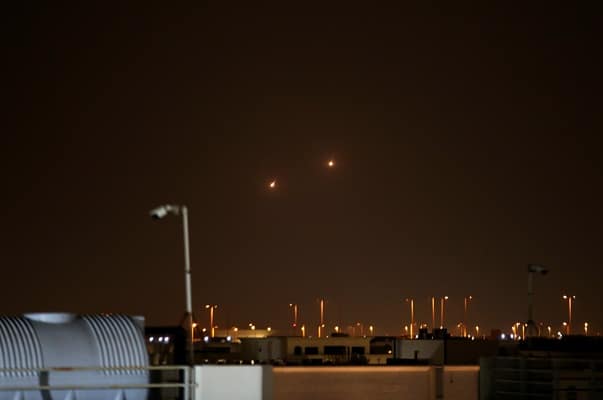
A series of escalating crises in the Middle East, global markets, and Russia is sending shockwaves around the world, with energy markets spiking, diplomatic tensions soaring, and domestic political pressure mounting in Moscow.
Middle East energy attacks and global shock
Iran has issued a stark warning following an Israeli strike on the South Pars Gas Field, the world’s largest gas facility. Tehran condemned the attack as a “grave mistake” and vowed harsher retaliation if further strikes occur.
Earlier, Iranian missiles hit Qatar’s Ras Laffan Industrial City, causing “significant damage.” Saudi, Kuwaiti, and UAE energy sites have also been affected.
Global markets reacted sharply: Brent crude oil surged above $114 a barrel, while European gas prices jumped 20 per cent, feeding fears of a prolonged energy crisis.
US, NATO and UK military response
Donald Trump insisted the US had no knowledge of the Israeli strike but warned of decisive retaliation if Iran attacked Qatar.
NATO’s Secretary General Mark Rutte confirmed ongoing discussions among allies to reopen involvement in the Strait of Hormuz.
Britain has deployed military personnel to the US Central Command, with guidance from General Sir Gwyn Jenkins. Sir Keir Starmer and leaders from France, Germany, Italy, the Netherlands, and Japan condemned Iranian attacks on shipping and called for an immediate end to blockades, mines, and missile strikes.
UK Defence Secretary John Healey pledged increased defensive support for Gulf allies.
Cyprus tensions
Nikos Christodoulides signalled talks with the UK over the future of British bases, calling them a “colonial consequence,” following an Iranian drone strike on RAF Akrotiri. Opposition party Akel has demanded closure of the bases.
UK economic and market fallout
The Bank of England has held its base rate at 3.75 per cent amid uncertainty from rising energy prices. CPI inflation is projected to reach 3.5 per cent in 2026, with further rate cuts now unlikely.
Markets reacted immediately: the FTSE 100 fell nearly 300 points, trading just above 10,000, while gold prices dropped to £3,430.50, defying expectations of a safe-haven surge.
Aviation chaos
Airlines face possible flight cancellations due to fuel shortages. Iran’s blockade of the Strait of Hormuz and surging jet fuel costs — from $90 (£67) to $200 (£150) per barrel — threaten operations across Europe and beyond.
Carriers such as Air New Zealand and Scandinavian Airlines System have already cut flights. Easter travel is expected to be disrupted, with bookings shifting to closer destinations such as Portugal, Africa, and the Caribbean.
Corporate impact
Ferrari has temporarily suspended deliveries in the Middle East due to the escalating conflict, highlighting the crisis’s commercial impact.
Russia domestic crackdown
Meanwhile, in Moscow, critics of the Kremlin are facing increasing pressure. Leonid Volkov reported receiving calls from security services urging him to remove social media posts.
Igor Girkin, an outspoken critic of Vladimir Putin, was recently sentenced to a lengthy prison term, illustrating the harsh consequences for dissent.
Global Stakes
With energy infrastructure under attack, vital shipping routes blocked, markets plunging, and political tensions rising worldwide, the crisis is evolving into a multidimensional threat to global security, commerce, and economic stability.


