[ad_1]
Google has avoided the worst-case scenario in the pivotal search antitrust case brought by the US Department of Justice. DC District Court Judge Amit Mehta has ruled that Google doesn’t have to give up the Chrome browser to mitigate its illegal monopoly in online search. The court will only require a handful of modest behavioral remedies, forcing Google to release some search data to competitors and limit its ability to make exclusive distribution deals.
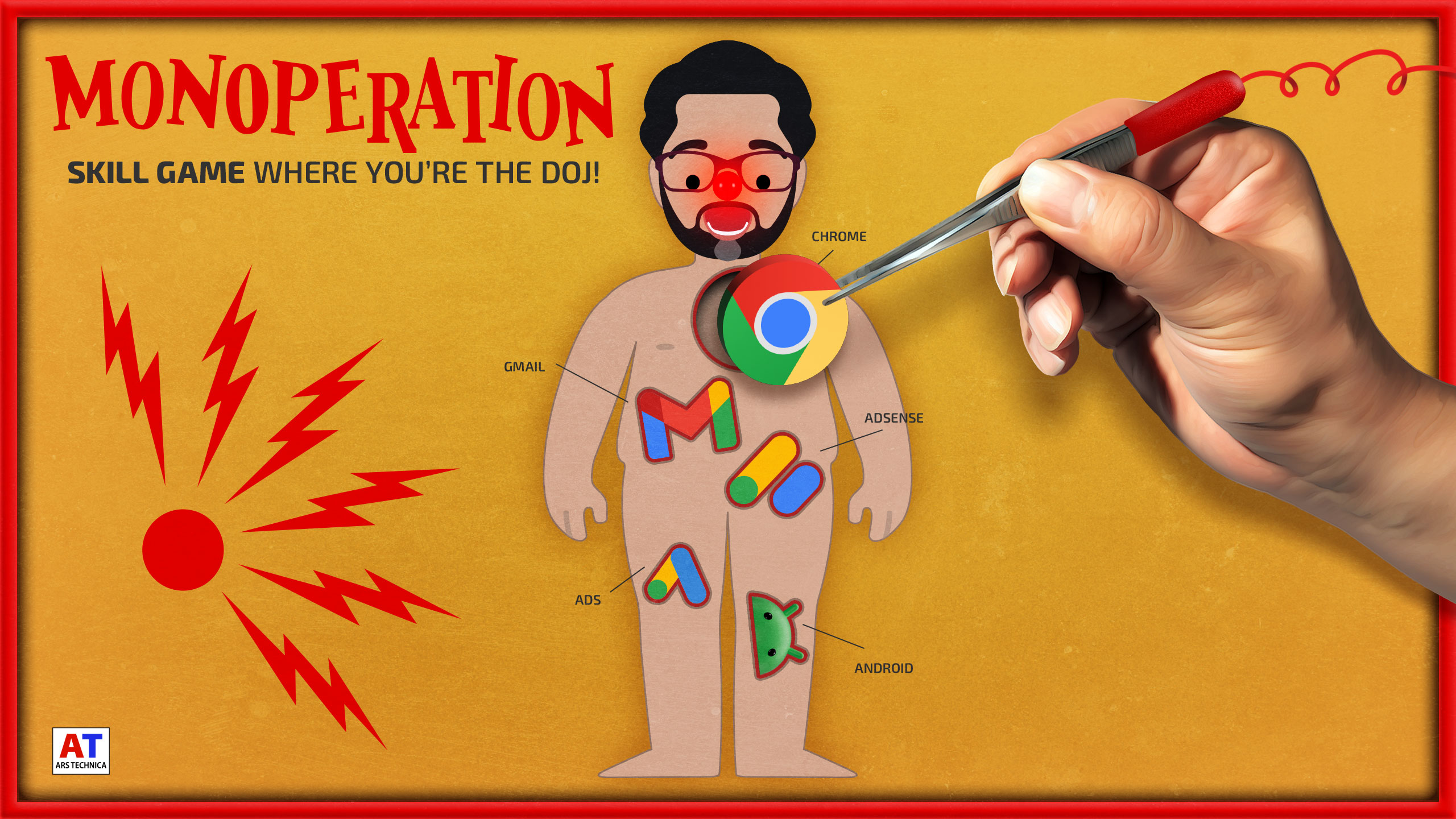
More than a year ago, the Department of Justice (DOJ) secured a major victory when Google was found to have violated the Sherman Antitrust Act. The remedy phase took place earlier this year, with the DOJ calling for Google to divest the market-leading Chrome browser. That was the most notable element of the government’s proposed remedies, but it also wanted to explore a spin-off of Android, force Google to share search technology, and severely limit the distribution deals Google is permitted to sign.
Mehta has decided on a much narrower set of remedies. While there will be some changes to search distribution, Google gets to hold onto Chrome. The government contended that Google’s dominance in Chrome was key to its search lock-in, but Google claimed no other company could hope to operate Chrome and Chromium like it does. Mehta has decided that Google’s use of Chrome as a vehicle for search is not illegal in itself, though. “Plaintiffs overreached in seeking forced divesture (sic) of these key assets, which Google did not use to effect any illegal restraints,” the ruling reads.
Google’s proposed remedies were, unsurprisingly, much more modest. Google fully opposed the government’s Chrome penalties, but it was willing to accept some limits to its search deals and allow Android OEMs to choose app preloads. That’s essentially what Mehta has ruled. Under the court’s ruling, Google will still be permitted to pay for search placement—those multi-billion-dollar arrangements with Apple and Mozilla can continue. However, Google cannot require any of its partners to distribute Search, Chrome, Google Assistant, or Gemini. That means Google cannot, for example, make access to the Play Store contingent on bundling its other apps on phones.
[ad_2]
Source link


