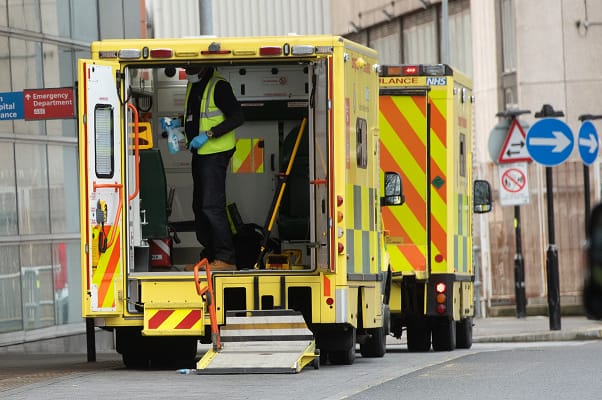
Professor Nicola Ranger, who is General Secretary of the Royal College of Nursing has warned just “how dangerous” and aggressive the new strain of H3N2 known as “superflu.”
Professor Ranger has warned that cases of people being admitted to hospital is soaring and this is causing “unsafe” care as flu rates are now at their highest ever on record across the UK.
NHS England data published today shows that flu rates are at their highest for this time of year in the UK.
Cases of Norovirus patients in hospital has risen by 35% and an average of 354 every day was recorded last week.
Professor Ranger said, “These figures show just how dangerous the situation is getting across our NHS hospitals. Wards and emergency departments were full to start with but now a surging flu virus could soon overwhelm them.
“With the peak not even here yet and corridor care already rife across the NHS, nursing staff are deeply worried about how they will maintain the safety and dignity of patients.
“We’re clear that treating people in unsafe, non-clinical areas like corridors, store cupboards and offices is not an acceptable response. Ministers need to act to protect patients this winter.”
Professor Ranger added, “Outbreaks of flu can be a challenge, but they should not de-rail the service.
“The reality however is a sustained lack of investment in both nursing staff and beds has impacted the ability of the NHS to safely deal with increases in demand, while a similar failure to build nursing capacity in the community, primary care and social care means vulnerable people remain stuck in hospital, severely impacting bed availability.
“As a matter of urgency, the Government must deliver new investment this winter to improve nurse staffing levels and increase bed capacity in hospitals, but crucially also produce a rapid timeline of investment in community services and social care.
“Those measures will be essential to ease the pressures inside hospitals and keep patients safe.”
Health and Social Care Secretary, Wes Streeting said, “There is a tidal wave of flu tearing through our hospitals.
“We are working with the NHS to make sure it is able to cope with this as best as possible, including already getting over 17 million patients vaccinated, 170,000 more than this time last year, with over 60,000 more NHS staff also getting their jab.
“We have recruited 2,500 more GPs and modernised GP appointment booking, keeping patients cared for in the community and out of hospital.
“The offer I have made to the BMA would help solve the jobs problem resident doctors are facing, and bring an end to strike action this Christmas, which is the most dangerous time of year.
I urge resident doctors not to inflict further damage on the NHS, vote for this deal, and call off the Christmas strikes.”
Professor Meghana Pandit, NHS National Medical Director, said: “With record demand for A&E and ambulances and an impending resident doctors strike, this unprecedented wave of super flu is leaving the NHS facing a worst-case scenario for this time of year – with staff being pushed to the limit to keep providing the best possible care for patients.
“The numbers of patients in hospital with flu is extremely high for this time of year.
“Even worse, it continues to rise and the peak is not in sight yet, so the NHS faces an extremely challenging few weeks ahead.
“NHS staff have pulled out all the stops to vaccinate more people than last year, and with just a week left to ensure maximum immunity from flu for Christmas Day, I would urge anyone eligible for the vaccine to please book an appointment or visit a walk-in site as soon as possible.
“Vaccination is the best protection against getting potentially very ill and it also helps protect those around you.
“We have prepared earlier for winter than ever before, and stress-tested services to ensure people have a range of ways to get the help they need and avoid needing to go to A&E.
“For non-life-threatening care, people should call NHS 111 or use 111 online, which can direct you to the most appropriate place, and use A&E and 999 for life threatening conditions and serious injuries.”


