Sir Keir Starmer has been criticised for “spineless” and “wobbly” leadership over the war in Iran.
Senior Conservative Richard Holden has warned that Britain finds itself in a “weird place” on the global stage.
In an interview with GB News, the shadow transport secretary stated that the government failed to take decisive action during the early stages of the conflict, especially in protecting UK military bases and supporting allies in the Gulf region.
“We should have had proper protections for our military bases in place,” he said.
“But the Prime Minister displayed such weak and spineless leadership that he couldn’t follow through.”
Holden argued that Britain should have immediately permitted U.S. forces to operate from UK bases, claiming that the eventual decision came far too late. He stated that this position had been held by the Conservatives, led by Kemi Badenoch, from the outset.
“I was very clear from the start – we should have allowed the Americans to use UK bases,” he said. “This position has only been recognised later on, which is unusual for the UK Government.”
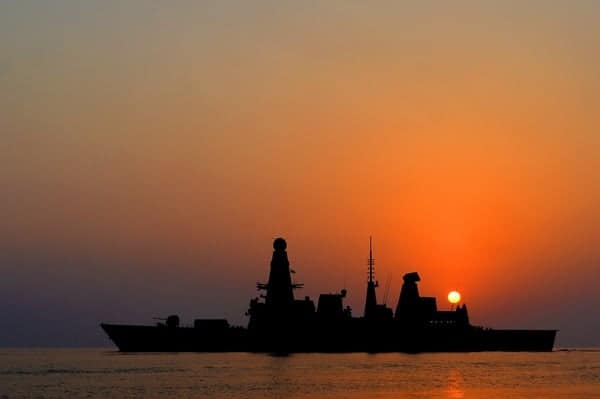
The Tory MP also criticised the delay in deploying British naval assets to the region, arguing that prompt action would have strengthened the UK’s strategic position and reassured long-standing partners. He warned that relationships with Gulf allies have suffered due to a perceived lack of leadership from Downing Street.
“People who have been our allies for decades are asking, where has Britain been?” he remarked.
Holden emphasised the importance of keeping global shipping lanes open, particularly the Strait of Hormuz, which is critical for oil and gas supplies.
“We need to ensure those shipping lanes remain open – they are vital for global trade, as well as oil and gas prices around the world,” he added.
While acknowledging that decisions regarding specific military deployments are operational matters, Holden insisted that the government should have taken a much more proactive political stance from the beginning of the crisis.
This intervention highlights the escalating political tensions over the UK’s role in the Middle East conflict, as pressure mounts on Sir Keir Starmer to display stronger leadership on the international stage.


