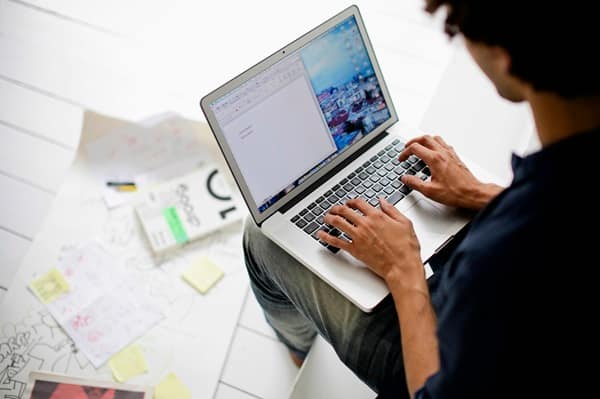
Most non-technical users still picture websites as coming from some kind of sealed-off room, constructed by specialists who live inside technical jargon and glowing terminals. They land on sleek homepages and assume an entire development crew must have been involved somewhere behind the scenes.
In real projects, that belief causes more hesitation than any actual software limitation. The tools changed first. Then the interfaces. Then expectations. But that old mental picture stuck around longer than it deserved to.
Clients often overlook how much the landscape has shifted. Not in a flashy way. Quietly. Tool by tool. Interface by interface. Pages will look awkward at first. Buttons will sit slightly too far left. Fonts will fight each other like stubborn co-workers. And that’s pretty normal.
Design isn’t the hard part. Decisions are.
People assume the hardest thing is dragging blocks onto a page. It isn’t. It’s deciding what actually belongs there.
From experience, non-technical founders get stuck because they want to start with features instead of purpose. They ask about galleries, sliders, animations, and booking systems. But visitors don’t care about most of that. They want clarity. Who are you? What do you do? Why should they trust you? How do they contact you without hunting around?
Because once those answers exist, the tools suddenly feel less intimidating. You’re not building “a website.” You’re putting together a digital version of a conversation you already have with customers. That shift helps a lot.
Tools have grown up (quietly)
There’s been this slow evolution in site-building platforms that people don’t really notice unless they’ve been around long enough to remember the older ones. The clunky menus. The rigid templates. The feeling that you were always about to break something.
Now? Interfaces feel closer to presentation software than engineering dashboards. Drag this here. Change the headline. Swap the image. Preview. Undo. Repeat.
Some platforms market themselves as an easy-to-use website builder, which sounds like a slogan until you actually spend a weekend inside one and realize… yeah, okay, it kind of is. But tools alone don’t make something professional. Taste still matters. Judgment matters. Restraint matters more than people expect.
What “professional” really looks like
Non-technical users often overdo it at first. Every colour in the palette. Every font in the dropdown. Motion everywhere. But the sites that feel credible usually come from someone who stopped adding and started deleting.
White space. Consistent headings. Images that look like they belong together instead of pulled from five different stock libraries at 2 a.m. In client work, I see this pattern constantly: once people realize they can customize everything, they forget they probably shouldn’t.
Content comes before layout, even if nobody wants that to be true
Here’s the uncomfortable part. Writing.
Because no platform can decide what your headline should say. Or how do you explain your service without sounding vague? Or whether your “About” page actually sounds like a human instead of a committee.
So people design first. Then they try to fit words into boxes that weren’t meant for them. From experience, flipping that order helps. Draft rough copy in a document. Messy. Incomplete. Honest. Then shape the layout around it. Because otherwise you end up rewriting everything anyway.
The confidence comes after, not before
Most non-technical users wait to feel ready. They think competence is something you acquire first, then act on. In reality, it’s backwards.
You build a page. It’s awkward. You adjust it. It looks better. You notice patterns. You start recognizing what feels clean and what feels cluttered. That’s the skill forming.
So you experiment. You undo things. You stare at a layout for ten minutes too long. You walk away. You come back and change three lines, and suddenly it works.
Messy. Slightly frustrating. Quietly empowering. And not nearly as technical as it used to be.


