[ad_1]
Apple is scrambling to figure out a solution after President Donald Trump announced sweeping new tariffs on Chinese imports. Reciprocal tariffs for a number of countries were set to take effect on April 9, but Trump granted a 90-day reprieve for most of them. However, he imposed a 104% tariff on Chinese goods, later raising it to 125% the same day, with the increase taking effect immediately.
These tariffs are expected to significantly impact Apple, which manufactures most of its devices in China, as do most other tech and AI companies. iPhones account for about half of Apple’s revenue, far more than any other product. The iPhone is the most popular smartphone in the US, holding a market share of more than 50%.
What will an iPhone cost with the new tariffs?
Well-known tech analyst Dan Ives told CNN that these tariffs could create a “category 5 price storm” for personal electronics, including iPhones. He compared taxing Chinese goods at such high rates to “flipping a boat upside down in the ocean with no life rafts” — meaning that few tech companies, including Apple, have viable manufacturing alternatives outside of China.
The alleged purpose of the tariffs is to drive more manufacturing back to the US, but Ives said this would raise prices exponentially. He estimated a Chinese-made device that sold for about $1,000 would cost $3,500 if made in the US, a price point that many consumers may be unable to afford. Shifting Apple’s supply chain to the US would also take years, making it an impractical short-term solution for the company and for consumers eager to upgrade to the latest iPhone. Given those drawbacks, it’s unlikely Apple will switch its manufacturing to the US.
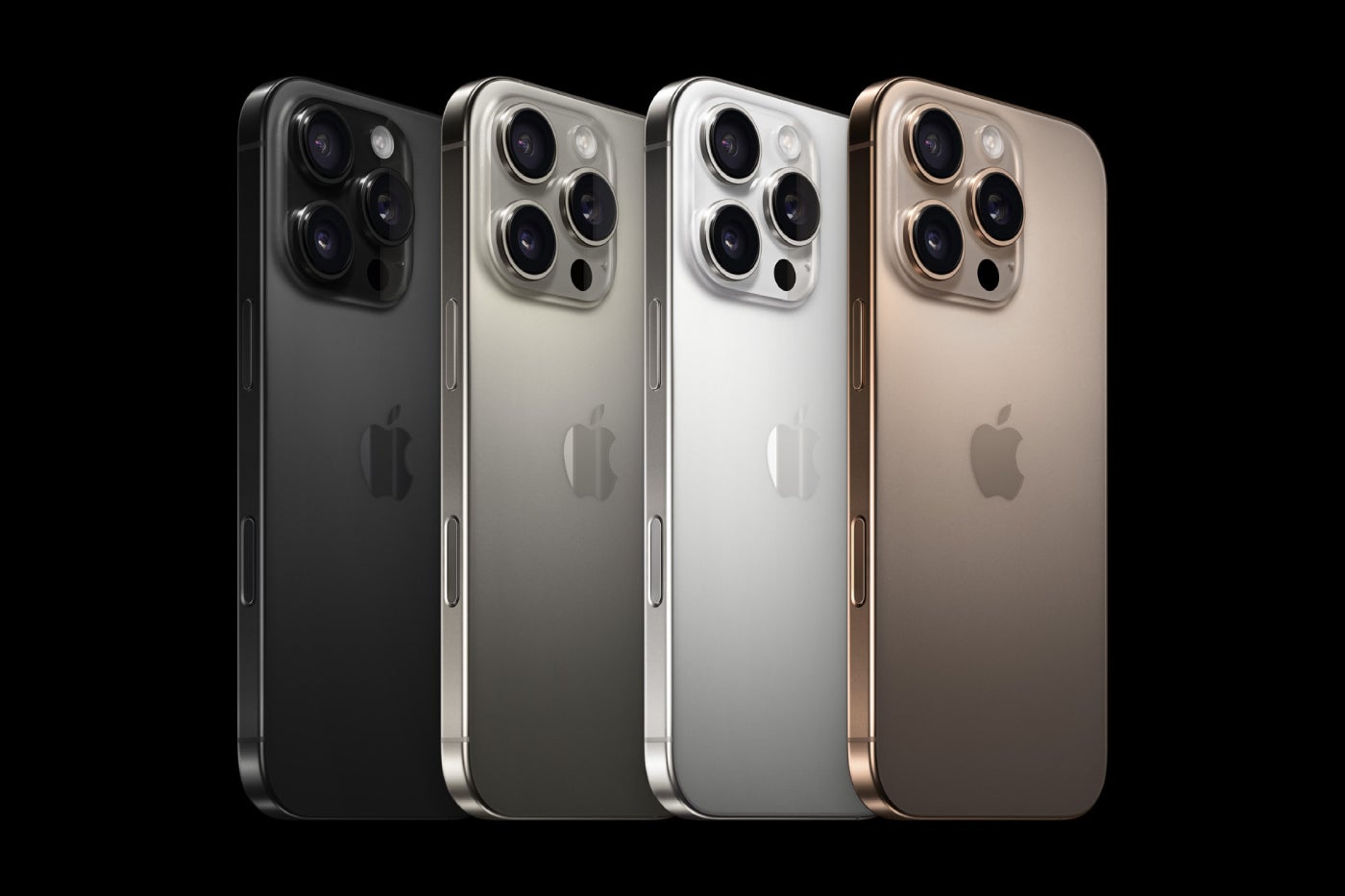
As the tariff landscape continues to shift, estimating future iPhone prices remains difficult. However, an analysis from UBS on Wednesday found that the reciprocal tariffs could increase the price of the iPhone 16 Pro Max 256GB, which is made in China, by about $675, a rise of 56%. The iPhone 16 Pro Max is the most advanced model currently available and features artificial intelligence capabilities.
If Apple can move its production to India, which is currently excused from reciprocal tariffs, that could potentially help offset some of the price increase. That same analysis from UBS found that the cost of an iPhone 16 Pro 128 GB, costs $999 when made in India, could increase to $1,119, a more modest rise of 12%.
Given those drawbacks, it’s unlikely Apple will switch its manufacturing to the US, though continuing production in China may be too costly for the company or consumers to bear.
[ad_2]
Source link


