London carries its stress in plain sight. Commuters stare at phones long after trains leave the platform. Office lights glow well past dusk. A recent report in the London Business Journal ranked the city among the most burnt-out globally, citing long working hours, high living costs, and constant connectivity. Employers speak openly about fatigue. Workers speak about it in whispers.
Treatment rooms across the capital are absorbing that strain. Spa and Massage, a London-based practice founded by Aly-Khan Thobani, has seen a steady rise in clients seeking relief from anxiety, insomnia, and work-related tension. The business operates from the premise that urban pressure settles into muscle and breath before it ever appears in a doctor’s file.
“People arrive carrying their week in their shoulders and jaw,” Thobani says. “They are tired of being switched on all the time. They want their nervous system to slow down.”
Research lends weight to the demand. A 2024 review in the National Library of Medicine found that structured massage therapy reduced markers of stress and improved mood in adults experiencing psychological strain. Participants reported better sleep and lower anxiety after consistent sessions. The authors linked those changes to reduced cortisol levels and increased parasympathetic activity, which helps the body settle into rest.
Spa and Massage has built its model around that evidence. Treatments focus on steady pressure, breath pacing, and longer sessions aimed at calming the stress response. Thobani says clients rarely ask for luxury. They ask for relief.
The office moves into the treatment room
Corporate bookings have grown alongside individual appointments. Hybrid work has blurred the line between office and home. Dining tables double as desks. Meetings stack without pause. Employers now seek ways to curb absenteeism tied to stress.
Thobani says companies approach Spa and Massage with a clear concern. Staff report headaches, tight backs, and poor sleep. Some struggle with panic symptoms before presentations. Workplace wellness budgets have shifted toward hands-on therapies that deliver immediate relief.
“When a company invests in regular sessions, the feedback is clear,” he says. “People feel more present. They concentrate better. They sleep.”
Industry data reflects that appetite. A 2025 outlook from Integrative Healthcare noted that clients increasingly request massage to address anxiety and insomnia rather than indulgence. Therapists report a rise in stress-driven appointments linked to screen fatigue and sedentary routines. Demand has tilted toward treatments framed as health maintenance rather than pampering.
The growth has forced Spa and Massage to scrutinize working conditions for its own therapists. A 2019 study on high-volume massage practices found that therapists who handled excessive client loads faced physical strain and emotional exhaustion. Thobani says scheduling at his company avoids back-to-back marathons. “Therapists need recovery time,” he says. “Care requires care.”
Such decisions reflect a larger conversation about burnout on both sides of the table. London’s pressure does not spare caregivers.
Anxiety, sleep, and the physiology of touch
Massage therapy enters a crowded mental health debate, yet evidence suggests touch plays a measurable role. Studies on stress physiology show that moderate-pressure massage stimulates the vagus nerve, which regulates heart rate and digestion. Activation of that pathway lowers blood pressure and reduces the body’s alarm signals. Sleep improves when the nervous system stabilizes.
Clients at Spa and Massage describe similar patterns. Appointments booked for neck tension often reveal broader fatigue. Sessions designed for muscle relief become conversations about deadlines and insomnia. Treatment plans stretch over weeks, with follow-ups that track sleep quality and mood.
A city wired for ambition has cultivated chronic tension. Public transport hums before sunrise. Work emails land late at night. Screens command attention from pillow to pavement. Massage rooms now function as rare spaces where silence holds.
Urban living rewards stamina, yet bodies carry a ledger. Thobani frames his business as a counterweight. “Rest is productive,” he says. “When people feel grounded, they make better decisions and relate better to others.”
Spa and Massage stands as a barometer of the city’s strain. Rising bookings signal unmet needs. Corporate contracts suggest employers accept that stress carries economic costs. Research aligns with anecdote, indicating that manual therapy offers tangible relief.
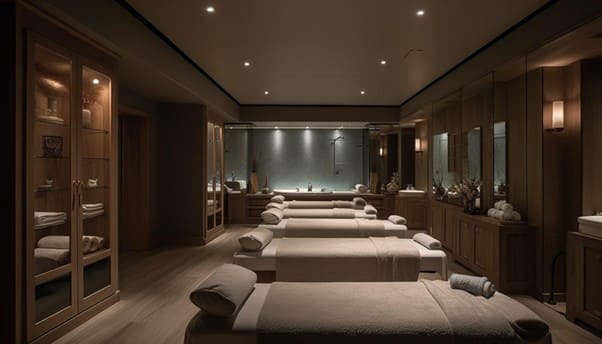
London’s tempo shows little sign of easing. Treatment rooms, dim and steady, continue to fill. Pressure accumulates on the streets and dissipates under careful hands. The cycle repeats.


