[ad_1]
The South Korean company aims to verify the safety of systems for self-driving cars, unmanned robots and urban air mobility, among other use cases, in a virtual environment.
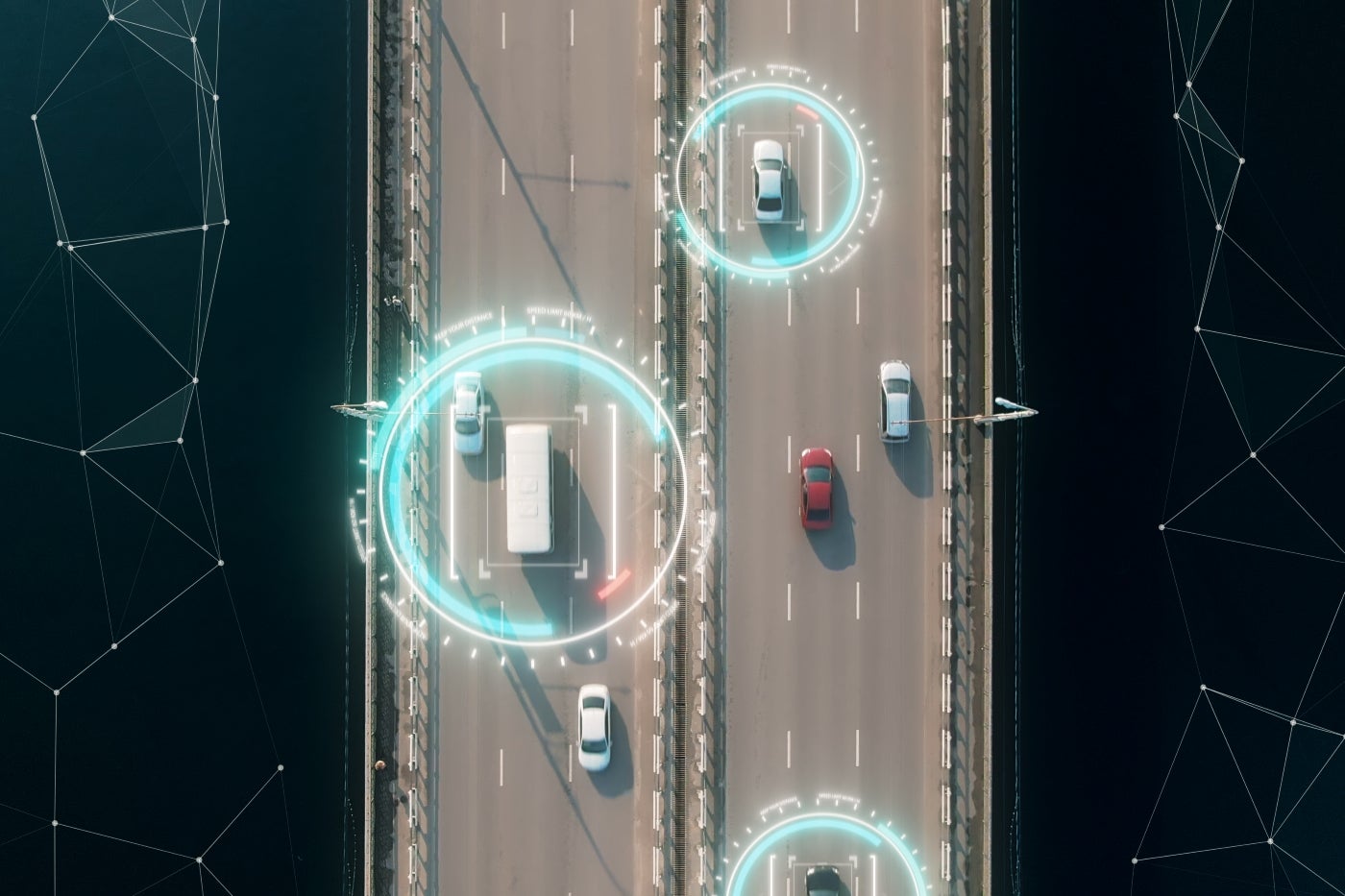
South Korea-based MORAI is debuting a plethora of full-stack autonomous driving simulation technologies for its SIM platform at CES, in a quest to advance autonomous unmanned systems.
SIM is designed to help users verify vehicles and systems by establishing a virtual environment, digitally simulating everything from complex physical conditions to weather and even lighting changes, according to the company.
In the case of self-driving automobiles, MORAI SIM aims to provide a simulation environment identical to reality and a virtual platform that includes sensors, vehicle models and scenarios to enable verification and ensure the reliability and safety of the self-driving systems. For example, scenario tests that cannot be conducted on the road — like evaluating the risk of pedestrian collisions — can be repeated many times on the virtual platform, MORAI said.
Simulation to enable mobile innovation
The company has enhanced its autonomous driving simulator platform to be used for a variety of unmanned vehicles, including aircraft, robots, vessels and unmanned ground vehicles. The simulator can be used to verify the safety of these systems.
“Next-generation mobility innovations such as [urban air mobility], unmanned robots and vessels are rapidly progressing,” said Jiwon Jung, CEO of MORAI. “Simulation has been drawing attention as a major breakthrough technology to promote mobility innovation, as it can quickly, safely and cost-effectively verify the safety and functionality of autonomous driving systems.”
For instance, MORAI SIM Robotics, designed for robotics applications, supports verifying autonomous mobile robots in a virtual environment. The system offers modeling of different types of robots, such as walking robots and manipulators, in addition to wheel-type moving robots, and applies different dynamics to express realistic movements within the virtual simulator environment.
SEE: Artificial Intelligence Ethics Policy (TechRepublic Premium)
It also replicates the same environments in which autonomous mobile robots can be driven, from indoor use cases such as factories and buildings to outdoor use cases like pedestrian roads. Through this application, users can configure the environment and scenario as needed to verify their AMR, the company said.
Verifying the safety of aircraft
MORAI’s SIM AIR simulation platform aims to verify the safety of systems for next-generation aviation mobility, such as UAM and drones, in a virtual environment. By simulating various flight environments that can occur in real-time UAM operations, it allows users to verify the safety of the aircraft and prevent dangerous situations in advance, the company said.
Further, MORAI said it has enhanced the functionality of the traffic control system. MORAI SIM Traffic, a digital twin-based control system, is designed to support precise traffic control by implementing the same traffic environment in a virtual environment. The system displays autonomous vehicles on the road, as well as connected vehicles, pedestrians, and infrastructure information in real-time in a 3D environment. This allows the overall traffic flow to be visualized and analyzed.
Analyzing the effect of traffic flow on autonomous and connected vehicles can be done by studying the traffic volume information collected in real-time, the company said. The idea is to verify and analyze how these vehicles have an impact on the overall traffic flow.
MORAI’s SIM technologies also have the capability to test autonomous ships and underwater submarines in addition to UAVs and UAMs, according to MORAI COO KeeyRyong Song.
“Our simulation solutions are also used across the engineering, procurement and construction … and government sectors, where projects entail a huge amount of monetary investment,” said Song in a December 2022 interview. “We are striving to make everything testable before it happens.”
MORAI’s customers include Hyundai Motor Co., Samsung Engineering, Naver Labs, Korea Automobile Testing & Research Institute and Korea Automotive Technology Institute. In February 2022, the company raised $23 million through a Series B funding round.
[ad_2]
Source link


