[ad_1]
The Night Time Industries Association (NTIA) has warned that Britain’s nightlife is in sharp decline, revealing that more than a quarter (26%) of towns and cities that had a nightclub in 2020 now have none, and 16% have lost all late-night venues entirely.
Figures from the Night Time Economy Market Monitor, produced with CGA by NIQ, show that post-COVID closures are leaving communities without places to socialise after dark, threatening local culture, jobs, and the wider evening economy.
“This is not just a hospitality issue – it’s a cultural crisis,” said Michael Kill, CEO of the NTIA. “Nightclubs and late-night venues are cultural institutions, economic engines, and cornerstones of community life. Losing them removes vital social and cultural spaces from our towns and cities.”
The Numbers Behind the Decline
- 26% of towns and cities that had at least one nightclub in 2020 now have none.
- 16% have lost all late-night venues entirely.
- 2% have lost every venue in the wider evening economy, including restaurants, pubs, and cultural spaces.
- Since March 2020, the late-night sector has shrunk by 26.4%, compared with an 8.1% decline in the wider evening economy.
Rising operational costs—including recent hikes to minimum wage and National Insurance—combined with insufficient post-pandemic support, have disproportionately hit independent operators. Larger managed groups have shown modest growth, but the independent sector continues to struggle.
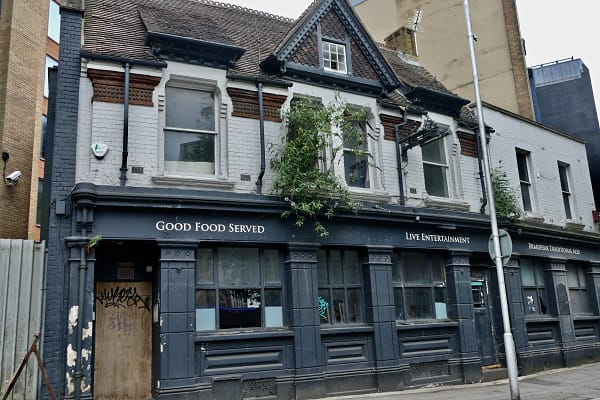
In towns across the UK, nightclub closures have erased evening social life entirely. Once hubs of community, culture, and creativity, these spaces have disappeared, leaving residents without places to gather after dark.
As Culture Secretary Lisa Nandy observed in 2022, nightclubs are part of the UK’s cultural heritage: “Every town has lost a nightclub that they feel very strongly about.” Three years on, the decline has only intensified.
Sacha Lord, NTIA Chair said, “This report underscores the urgent need for targeted support to protect our night time economy, especially in the face of rising costs and ongoing venue closures. The resilience of themed and craft-led concepts shows the sector’s capacity for innovation, but the continuing decline in independent operators and emergence of ‘night time deserts’ is deeply worrying. Without decisive action from government and policy makers, we risk losing not just businesses, but the cultural heart of our towns and cities.”
Carly Heath, Night Time Economy Advisor Bristol City Council said, “While this report offers glimmers of hope—thanks to the agility of businesses and innovation in nightlife, such as the rise of specialist bars, new socialising models, and the positive ripple effects of major cultural events like the Oasis tour—these benefits are not evenly distributed.
“Communities with a diverse night time offer show greater resilience and are better equipped to withstand economic pressures. In contrast, towns and cities with limited night time ecosystems are experiencing a stark erosion of local venues.
“This decline has serious implications for placemaking, local economies, public safety, social cohesion and community identity. Targeted investment and strategic economic development are About our report urgently needed to revitalise the UK’s gathering places.
“Nightclubs and late-night venues, often the first to show signs of strain, are also the most inventive in fostering spaces of belonging. With increased support and place-based strategies, there is genuine potential for a renewed vibrancy after dark.”
Nick Morgan, CEO We Group said, “Large-scale concert tours have a profound positive impact on the UK’s economy, boosting local revenue and increasing footfall across hospitality and tourism sectors.
“However, these events can also unintentionally divert consumer spending from grassroot music venues, many of which operate on a knife edge.
“These small, independent spaces are critical incubators of emerging talent, often laying the foundation for artists who go on to perform on arena stages. To protect the UK’s cultural pipeline, we must rebalance the system and ensure small businesses have the financial support to build resilience, survive, thrive and nurture the stars of tomorrow.”
Get real time update about this post category directly on your device, subscribe now.
[ad_2]
Source link


