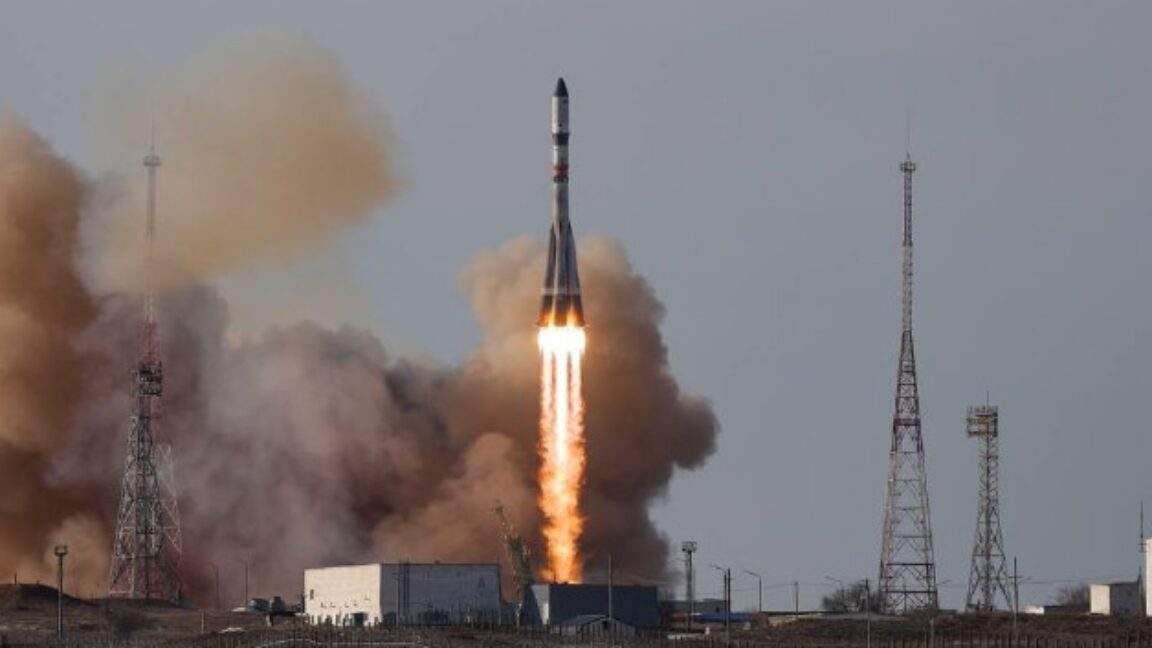
More to come?… Lt. Gen. Doug Schiess, the Space Force’s deputy chief of operations, told a House subcommittee Wednesday that the military was looking at moving more missions off of ULA’s Vulcan rocket to other providers. Currently, only ULA’s Vulcan and SpaceX’s Falcon 9 and Falcon Heavy rockets are certified for national security launches. The Vulcan rocket is expected to be grounded until at least this summer as engineers investigate a recurring problem with the vehicle’s solid rocket boosters.
NASA is blowing things up. A team of NASA engineers is intentionally blowing up models of methane-fueled rockets in Florida to see just how big of a bang they make when they explode, Ars reports. Methane is the launch industry’s chic new rocket fuel because it is better suited for reusable engines. Heavy- and super-heavy-lift rockets like Blue Origin’s New Glenn, ULA’s Vulcan, and SpaceX’s Starship now use it. But rockets sometimes blow up. The US Space Force and NASA, the agencies responsible for range safety at America’s federally owned spaceports, want to better understand how the hazards from an exploding methane-fueled rocket might differ from those of other launchers. This is important as launches become more routine, with companies foreseeing multiple flights per day from launch pads that are, in some cases, just 1 or 2 miles apart.
For good reason… Federal safety officials require the evacuation of blast danger areas around each launch pad as rockets are fueled for flight, and some companies have raised concerns that SpaceX, which has the largest of the methane-burning rockets, could disrupt their operations on neighboring launch pads. The ongoing explosive yield tests at Eglin Air Force Base, Florida, are meant to help officials fine-tune their hazard analyses to determine the proper size of the danger areas for methane-fueled rockets. Hopefully, the data will show the danger areas are too conservative, and the keep-out zones will shrink. The concept is simple. “We put fuel in a rocket, blow it up in a remote location, and measure how big the boom is,” said Jason Hopper, deputy manager for the methalox assessment project at NASA’s Stennis Space Center.
Next three launches
March 28: Electron | Daughter of the Stars | Māhia Peninsula, New Zealand | 09:14 UTC
March 28: Spectrum | Onward and Upward | Andøya Rocket Range, Norway | 20:00 UTC
March 29: Atlas V | Amazon Leo LA-05 | Cape Canaveral Space Force Station, Florida | 07:53 UTC


