[ad_1]
And without the ISS, Russia’s human spaceflight program might be dead today.
Ins and outs of HTV-X
Yui used the outpost’s robotic arm to grapple the HTV-X spacecraft at 11:58 am EDT (15:58 UTC) on Wednesday. The capture capped a three-and-a-half-day transit from a launch pad on Tanegashima Island in southern Japan.
The spacecraft flew to space atop Japan’s H3 rocket, replacing the H-II launcher family used for Japan’s previous resupply missions to the ISS. The H3 and HTV-X are both manufactured by Mitsubishi Heavy Industries.
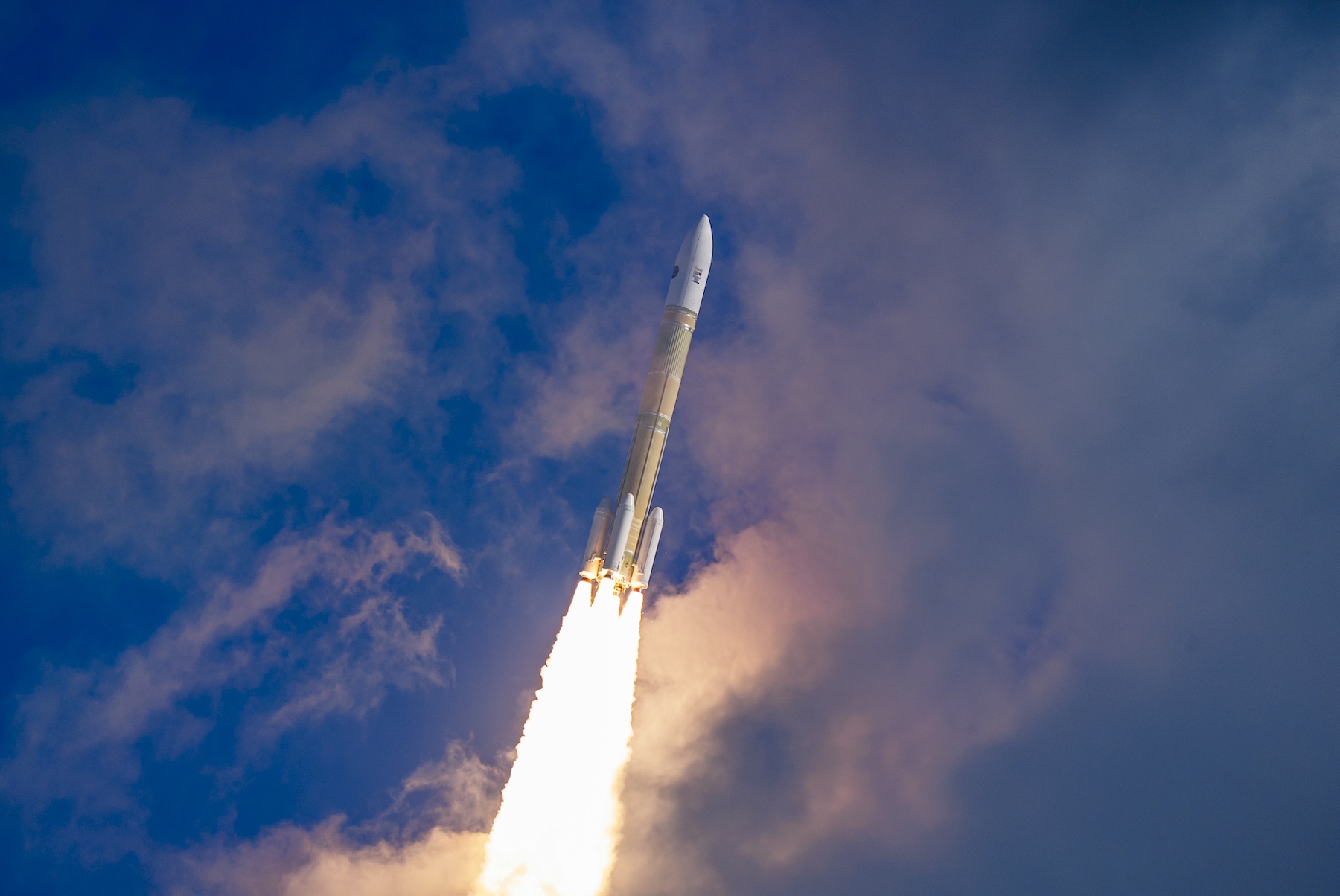
Japan’s H3 rocket launched Sunday (local time) from the Tanegashima Space Center in southern Japan, carrying the first HTV-X spacecraft into orbit en route to the International Space Station.
Credit:
JAXA
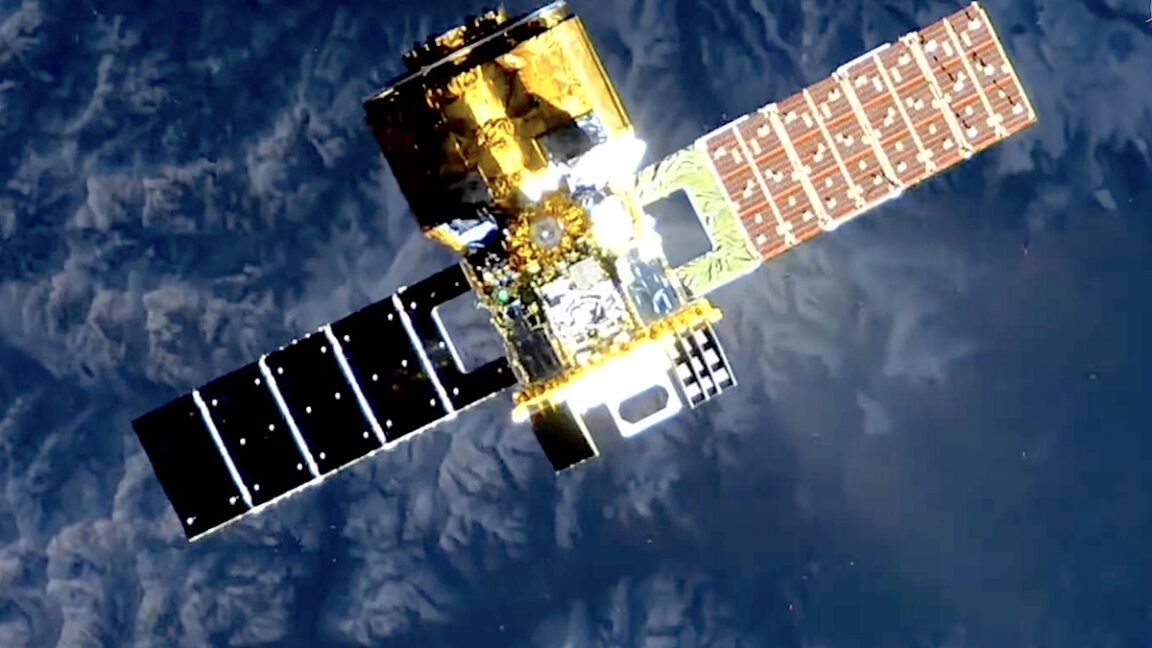
Once in orbit, HTV-X unfurled its power-generating solar panels. This is one of the new ship’s most significant differences from the HTV, which had its solar panels mounted directly on the body of the spacecraft. By all accounts, the HTV-X’s modified computers, navigation sensors, and propulsion system all functioned as intended, leading to the mission’s on-time arrival at the ISS.
Rob Navias, a NASA spokesperson, called the HTV-X’s first flight “flawless” during the agency’s streaming commentary of the rendezvous: “Everything went by the book.”
At 26 feet (8 meters) long, the HTV-X is somewhat shorter than the vehicle it replaces. But an improved design gives the HTV-X more capacity, with the ability to accommodate more than 9,000 pounds (4.1 metric tons) inside its pressurized cargo module, about 25 percent more than the HTV. The new spacecraft boasts a similar enhancement in carrying capacity for external cargo, such as spares and science instruments, to be mounted on the outside of the space station.
Japan provides resupply services to the space station to help reimburse NASA for its share of the research lab’s operating costs. In addition to space station missions in low-Earth orbit, Japanese officials say the HTV-X spacecraft could haul logistics to the future Gateway mini-space station near the Moon.
Officials plan to launch at least three HTV-X missions to the ISS to cover Japan’s share of the station’s operating expenses. There are tentative plans for a fourth and fifth HTV-X that could launch before 2030. The second HTV-X mission will attempt Japan’s first automated docking with the space station, a prerequisite for any future resupply missions to the Gateway.
[ad_2]
Source link


