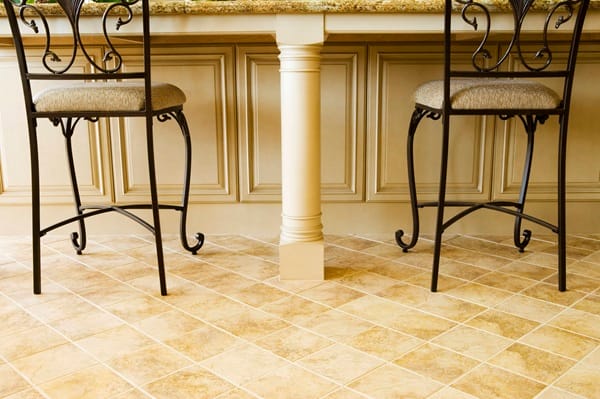
Some parts of the home simply work harder than others. Hallways welcome muddy shoes, kitchens deal with spills and dropped utensils, and living rooms often see a constant flow of family members, guests, and pets. In these busy spaces, flooring needs to be more than just attractive: it needs to stand up to everyday life.
Choosing a durable floor ensures that the space continues to look good, while handling years of wear and tear. Materials, construction, and finish all play a role in how well a floor performs in active areas. Understanding which options are best suited to busy households can help create interiors that are both stylish and practical.
What makes flooring durable?
Durability in flooring comes down to several factors. Some materials are naturally harder than others, while construction methods and protective layers also influence how well a floor performs over time.
Features that typically improve durability include:
- Harder materials, such as oak or stone-based cores
- Protective finishes or wear layers that resist scratches and scuffs
- Stable construction, particularly in engineered flooring
- Easy maintenance, allowing damage to be prevented or quickly addressed
When selecting flooring for high-traffic areas, it’s worth considering how the floor will behave with daily use.
Engineered wood flooring
Engineered wood combines the beauty of natural timber with enhanced stability. It consists of a real wood top layer that’s supported by layers of plywood, softwood or high-density fibreboard. These elements work together to create a structure designed to resist movement and wear.
This layered construction makes engineered wood flooring particularly well suited to busy areas of the home. Unlike solid wood, it’s less likely to expand or contract with changes in temperature and humidity.
Durability is largely influenced by the wear layer. A thicker wear layer allows the floor to be sanded and refinished if needed, extending its lifespan significantly.
Solid Wood Flooring
Solid wood floors are often considered a long-term investment due to their exceptional longevity. Made from a single piece of hardwood, they can last for decades when properly cared for.
One of the greatest advantages of solid wood flooring is the ability to sand and refinish the surface many times. This means scratches, dents, and general wear can be restored rather than replaced.
In active spaces, hardwood species such as oak perform particularly well. Their natural density helps resist dents and marks, while protective finishes add an additional layer of defence.
Plus, solid wood floors develop character over time. Slight wear and subtle changes in tone often enhance the natural appearance, giving the space a lived-in charm rather than looking damaged.
Luxury Vinyl Tiles (LVT)
Luxury vinyl flooring has become increasingly popular in busy homes thanks to its resilience and practicality. Designed with a rigid core and protective wear layer, LVT is engineered to handle high levels of activity.
Several features contribute to its durability:
- Scratch-resistant surfaces
- Waterproof and water-resistant properties
- Flexible, but strong construction
- Low maintenance requirements
These qualities make LVT particularly suitable for kitchens, hallways, and family living spaces where spills, pets, or heavy furniture may be a concern.
Plus, modern designs can replicate the look of wood or stone with impressive realism, allowing homeowners to achieve a natural aesthetic, while benefiting from the practicality of vinyl.
Parquet flooring
Durability isn’t just about materials; design can also influence how well flooring performs over time.
Parquet flooring patterns, like herringbone or chevron, distribute weight across multiple directions rather than following a single plank line. This can help minimise the appearance of wear in heavily used areas.
Parquet floors also create a visually dynamic surface. Small marks or variations often blend into the natural pattern, making them less noticeable than on wider planks.
When paired with durable materials such as engineered oak or LVT, parquet flooring offers both resilience and timeless style.
Choosing the right floor for busy homes
When selecting flooring for busy spaces, practicality should work alongside design. The right choice depends on lifestyle, maintenance preferences, and the atmosphere desire in the home.
For example:
- Engineered wood balances natural beauty with stability
- Solid wood offers exceptional longevity and character
- Luxury vinyl tile provides resilience and water resistance
- Laminate delivers durability with minimal maintenance
Considering how each room is used can help guide the decision. Hallways and kitchens may benefit from especially hardwearing surfaces, while living areas might prioritise warmth and visual appeal.


