Iran has claimed that the Strait of Hormuz remains open but has warned that vessels linked to its “enemies” will be denied passage.
This statement was made by Ali Mousavi, Tehran’s representative to the International Maritime Organisation, in an interview with the Chinese news agency Xinhua.
Mousavi stated that ships not associated with Iran’s adversaries could transit the strait, provided they coordinate security and safety arrangements with Tehran.
This warning comes amid heightened tensions following weeks of strikes on energy facilities in the Gulf by Israel and Iran, which have caused oil and gas prices to soar.
“Diplomacy remains Iran’s priority,” he said. “However, a complete cessation of aggression, along with mutual trust and confidence, is more important. Israeli and US attacks against Iran are at the root of the current situation in the Strait of Hormuz.”
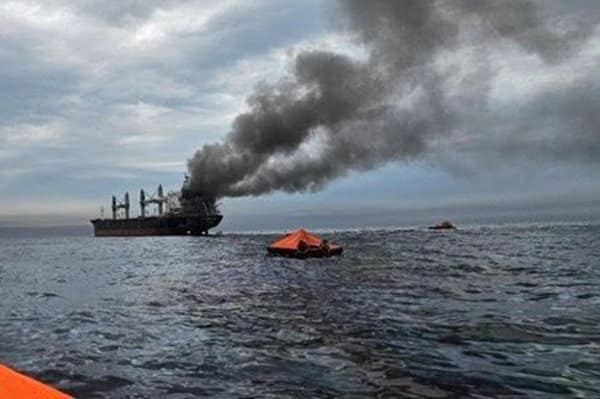
The 30-mile-wide waterway is a crucial conduit for around one-fifth of the world’s oil and liquefied natural gas (LNG) supplies. Even without a formal closure, the threat of attacks has nearly halted shipping, raising fears of a major global energy crisis.
These comments came just before Donald Trump issued a 48-hour ultimatum, warning that the United States would target Iranian power plants if the strait were not “fully open” within two days.
Analysts warn that this standoff risks driving energy markets into further volatility. With shipments slowed or diverted, global oil prices have already surged to $119 a barrel, and UK natural gas prices have jumped by more than 20 per cent in a single session.
Mousavi mentioned that Iran would continue to cooperate with the International Maritime Organisation to improve maritime safety and protect seafarers. However, the requirement for ships to seek Tehran’s approval effectively places global trade at the mercy of Iran’s judgment.
This warning from Iran sets the stage for a direct clash with Washington’s demands for unrestricted passage through the strategic waterway. With Donald Trump publicly threatening strikes on Iranian infrastructure, the situation is rapidly escalating toward potential catastrophe.
The situation has also drawn condemnation from European and Gulf states, which are urging Tehran to de-escalate and allow safe passage for commercial vessels. “The Strait must remain open to ensure global energy stability,” said one EU diplomat. “Any obstruction risks widespread economic fallout.”


