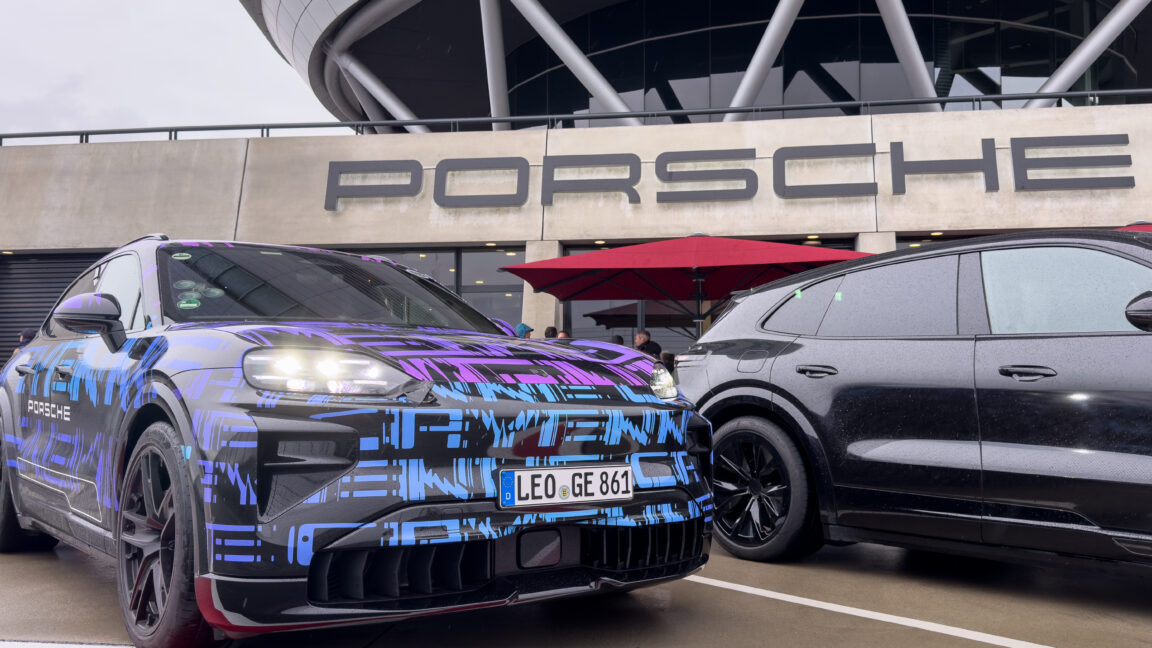
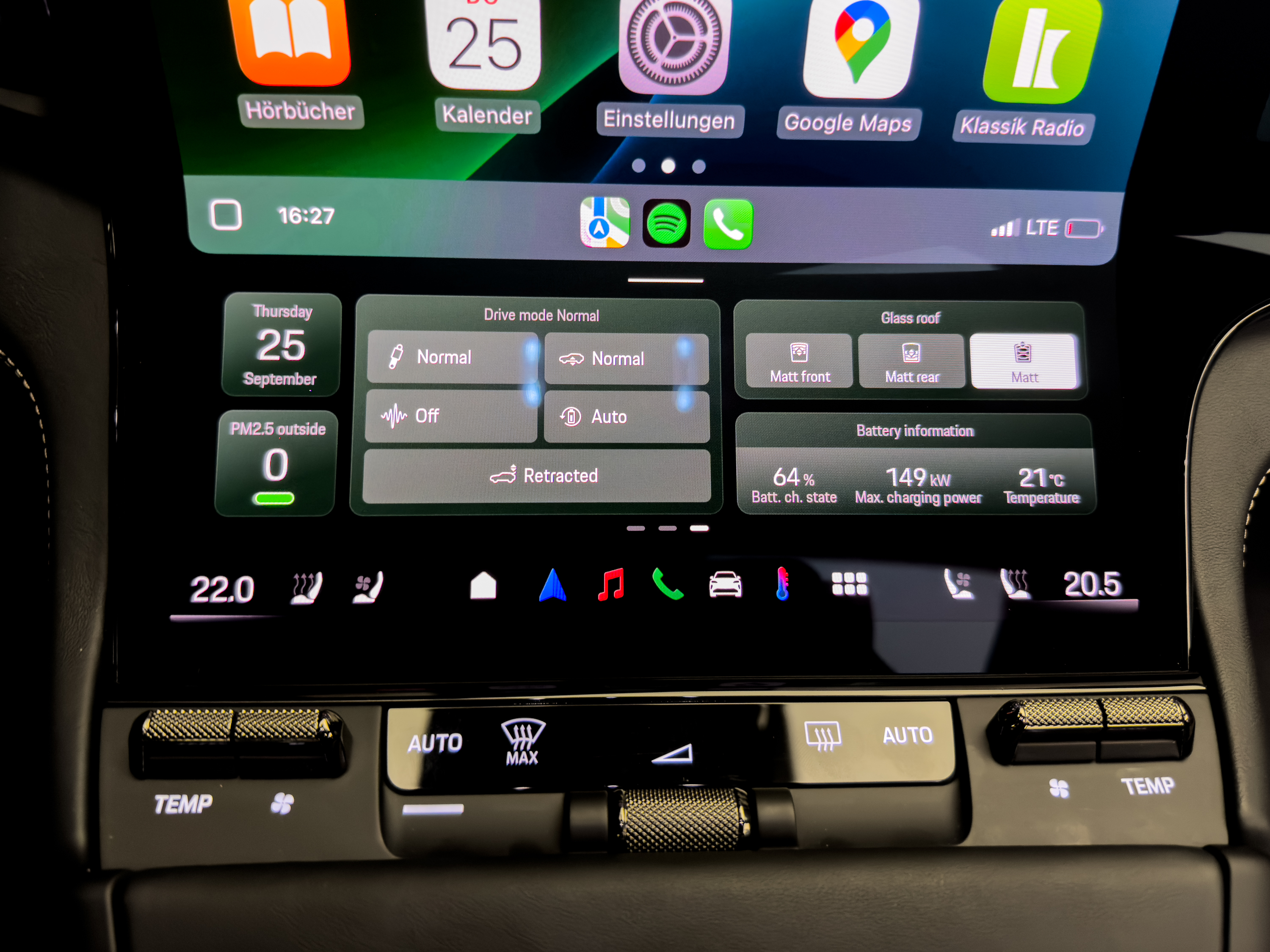
The bottom of the infotainment screen has some persistent icons for things like seat heaters, but there are at least dedicated physical controls for the climate temperature and fan speed, the demisters, and the volume control.
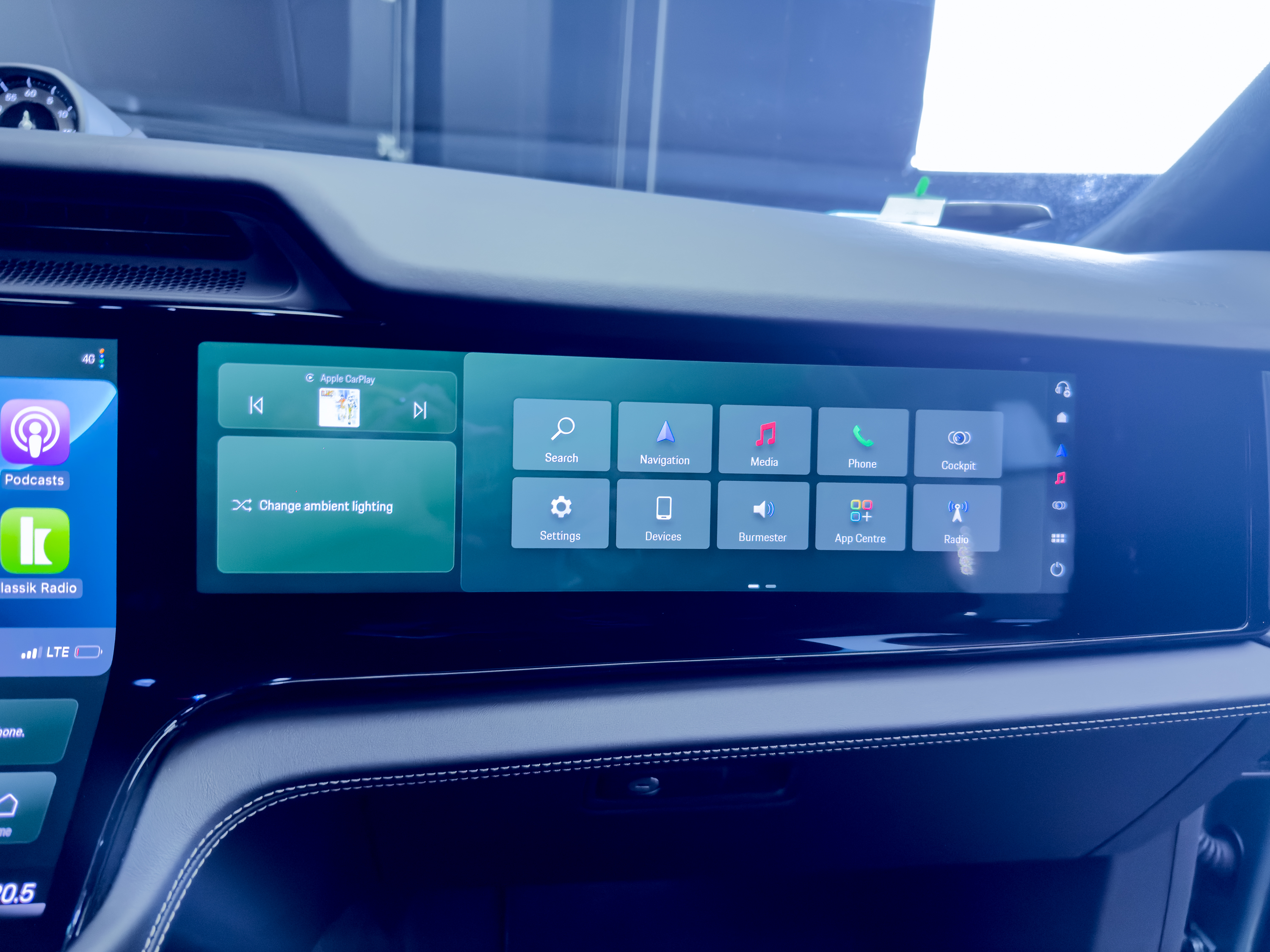
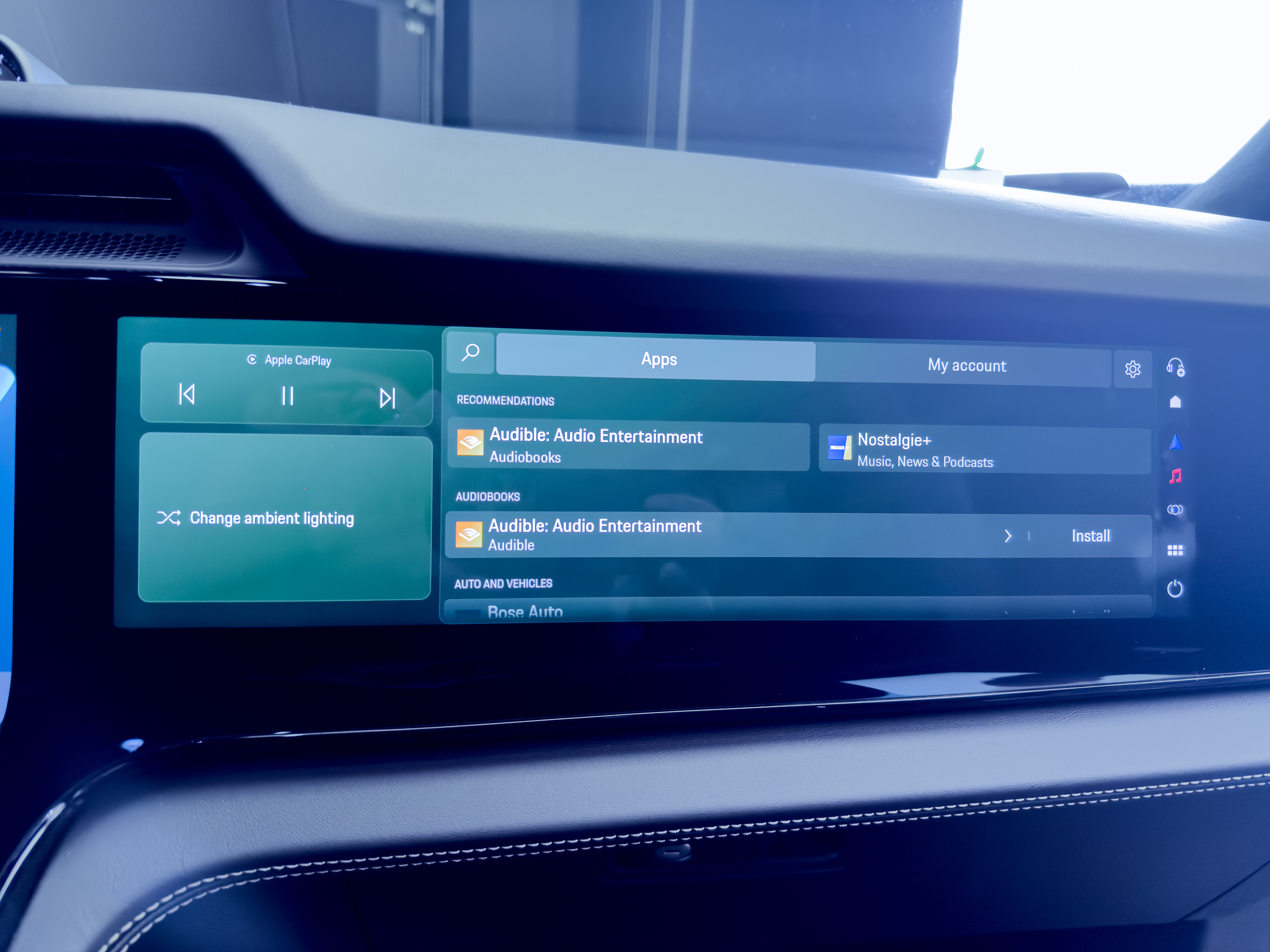
The interior is dominated by new OLED screens.
Porsche
Jonathan Gitlin
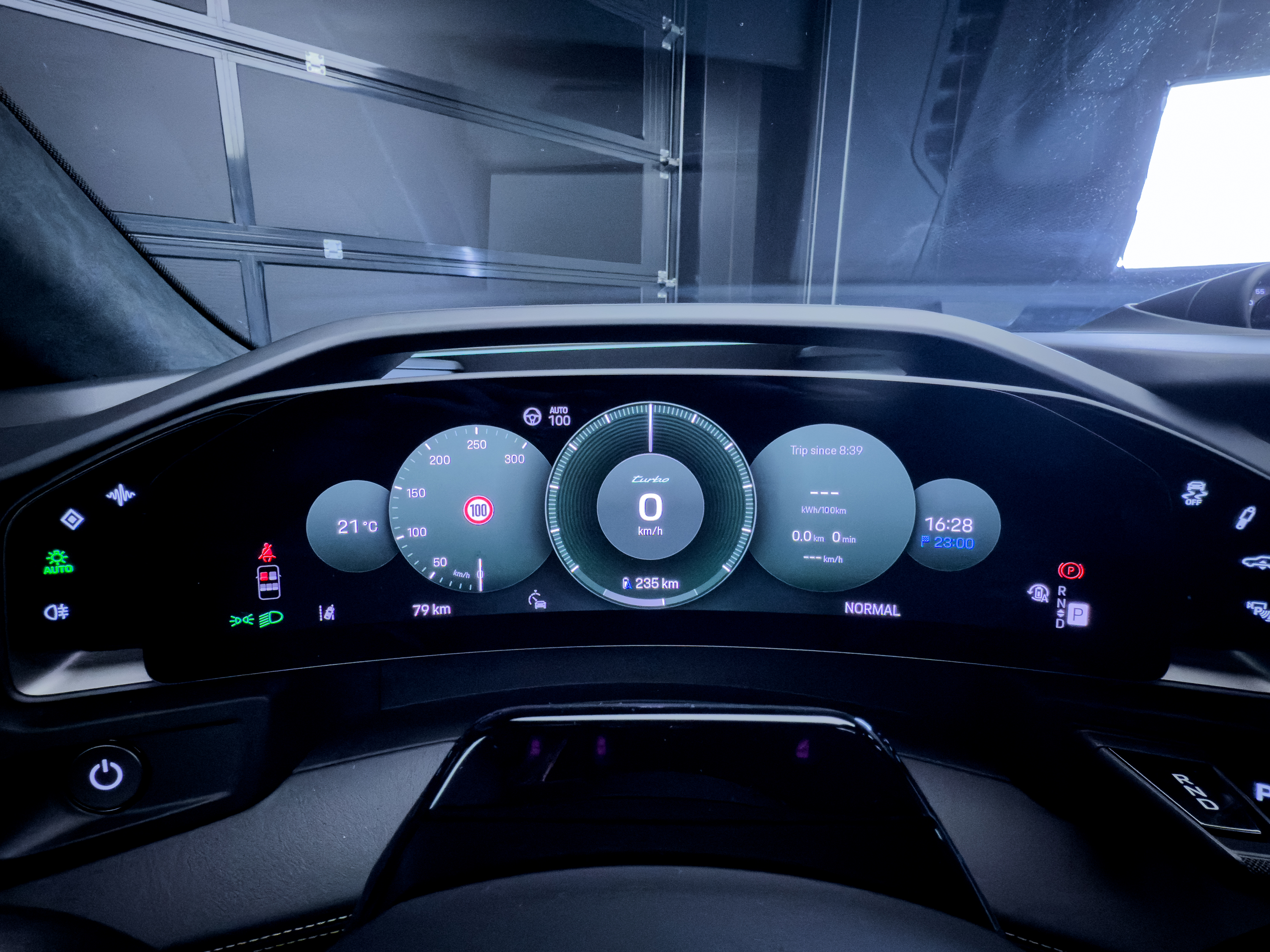
The new 14.25-inch OLED main instrument display. This is one of several different UIs you can display.
Jonathan Gitlin
Jonathan Gitlin
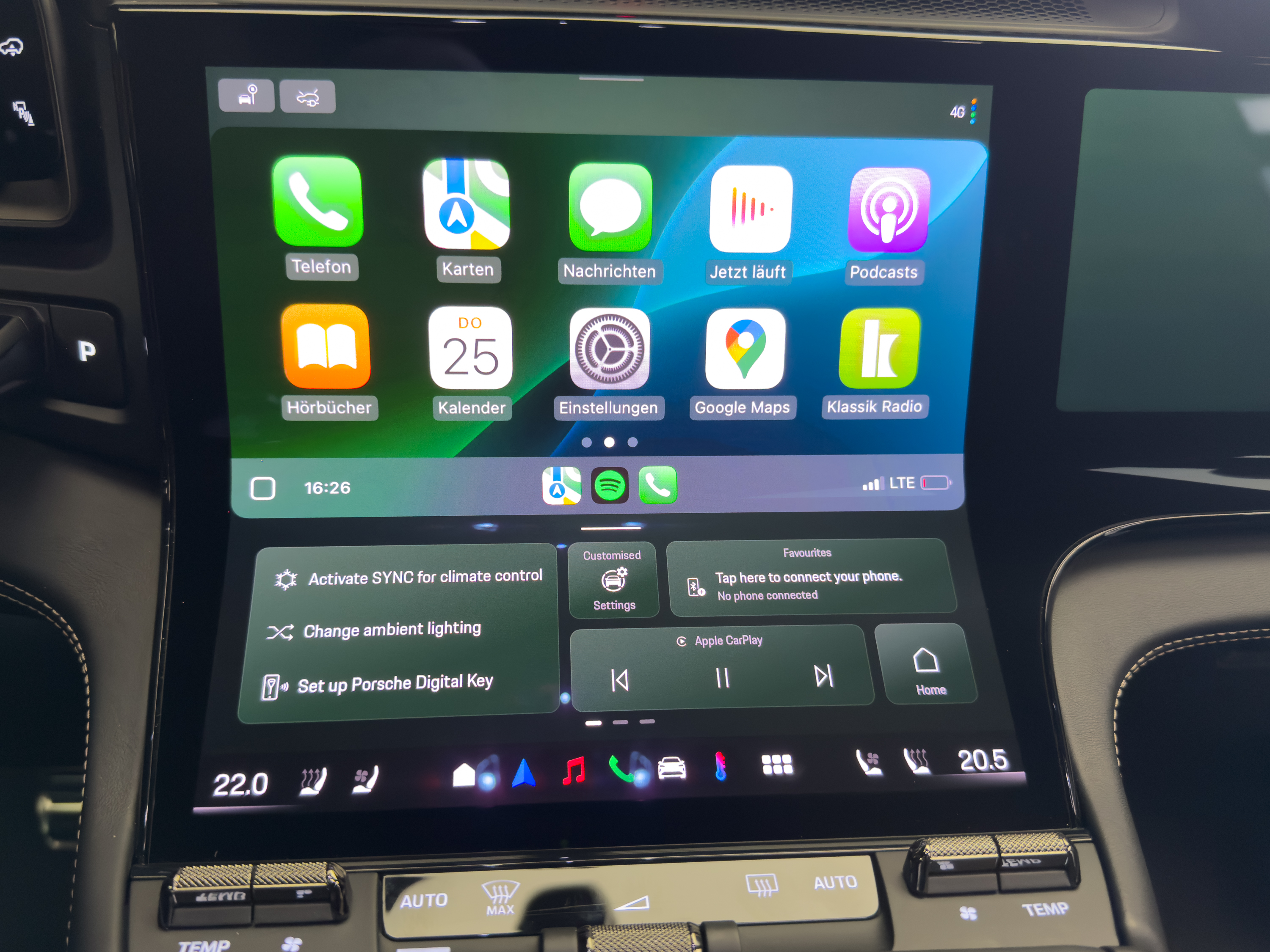
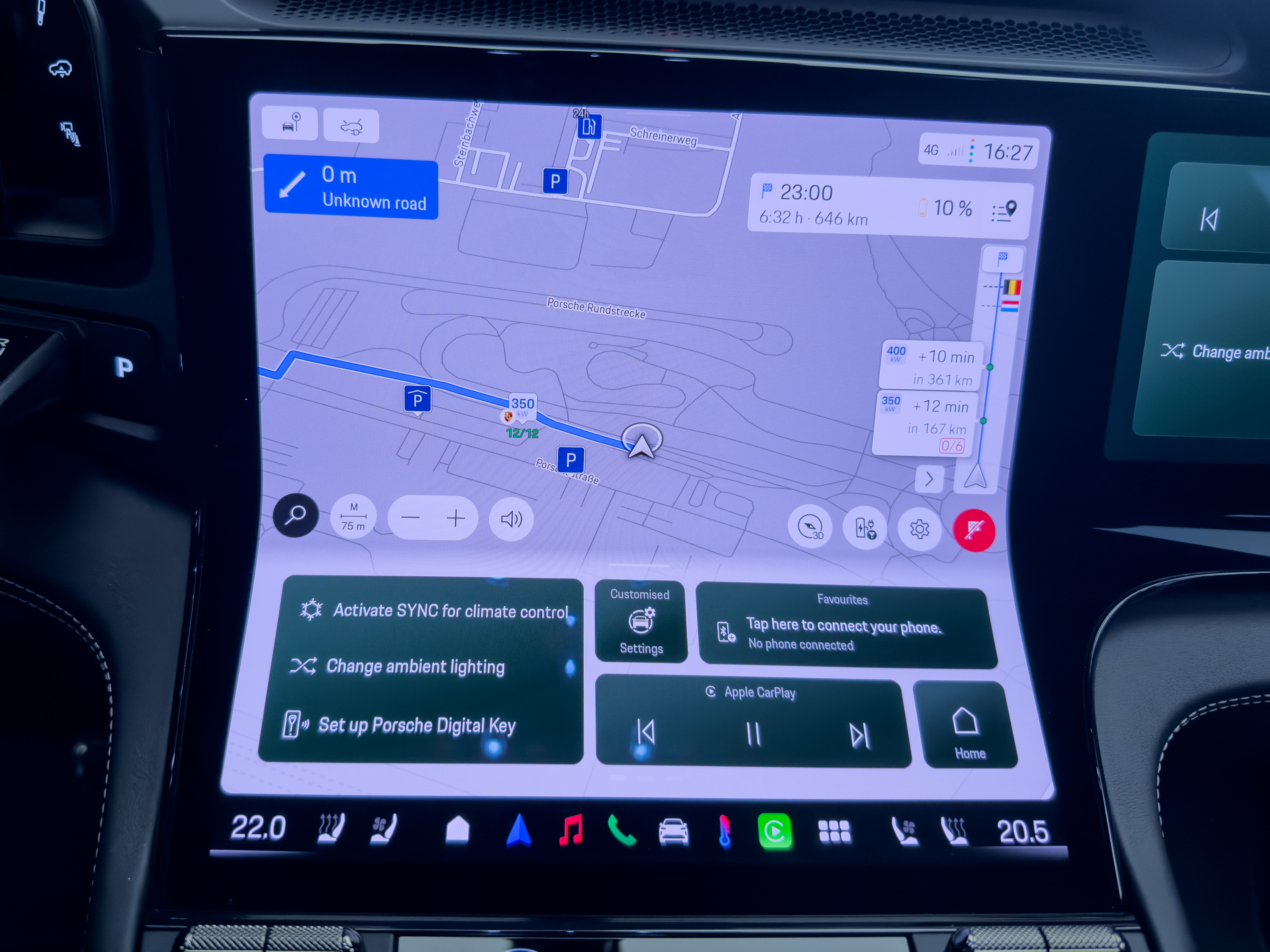
The curved Flow Screen. Apple CarPlay is running on the upper portion, with widgets on the lower section.
Jonathan Gitlin
The new 14.25-inch OLED main instrument display. This is one of several different UIs you can display.
Jonathan Gitlin
The curved Flow Screen. Apple CarPlay is running on the upper portion, with widgets on the lower section.
Jonathan Gitlin
Jonathan Gitlin
Jonathan Gitlin
Jonathan Gitlin
Jonathan Gitlin
New battery
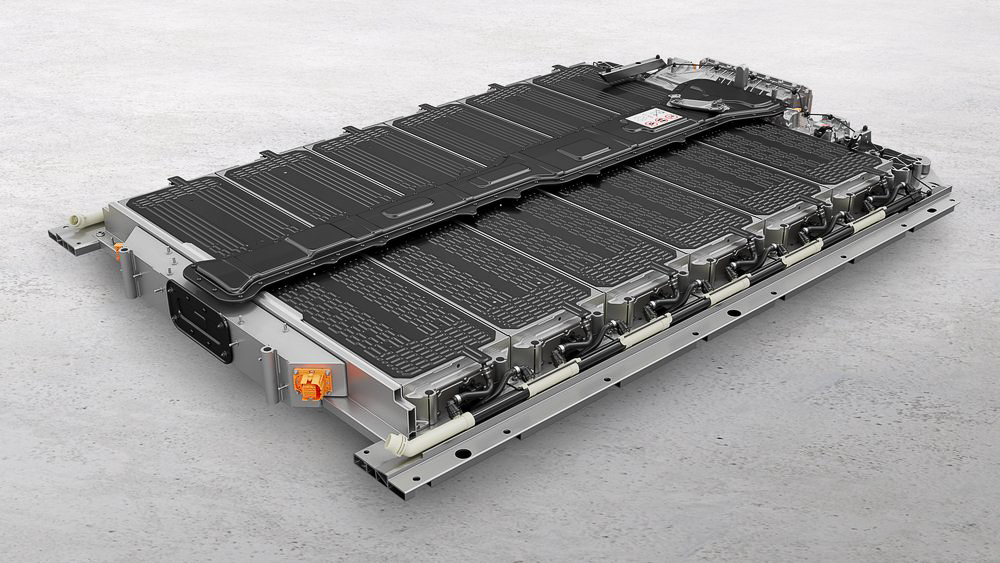
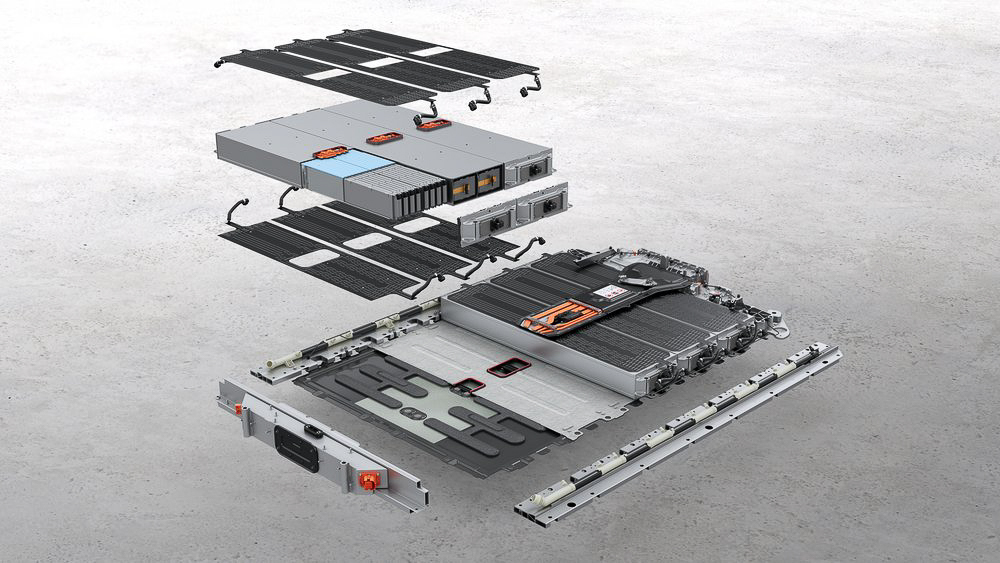
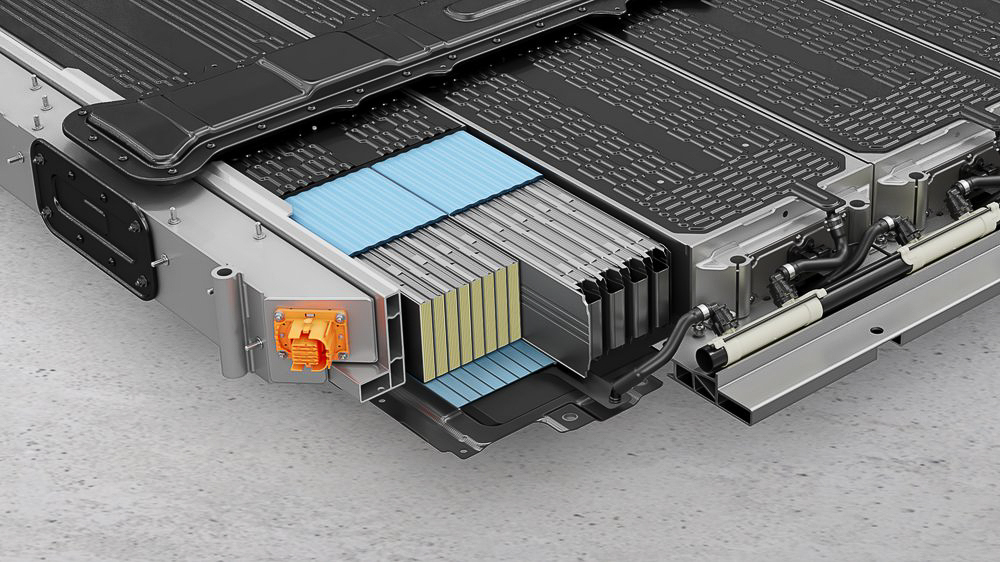
At the heart of the new Cayenne Electric is an all-new 113 kWh battery pack (108 kWh gross) that Porsche describes as “functionally integrated” into the car. Unlike previous PPE-based EVs (like the Macan or the Audi Q6) there’s no frame around the pack. Instead, it’s composed of six modules, each housed in its own protective case and bolted to the chassis.
The module cases provide the same kind of added stiffness as a battery frame might, but without devoting so much interior volume (and also mass) to the structure as opposed to the cells. Consequently, energy density is increased by around seven percent compared to the battery in the Taycan sedan.
Inside each module are four small packs, each comprising eight pouch cells connected in series. A new cooling system uses 15 percent less energy, and a new predictive thermal management system uses cloud data to condition the battery during driving and charging. (Porsche says the battery will still condition itself during a loss of connectivity but with less accuracy from the model.)
This all translates into greater efficiency. The pack is able to DC fast charge at up to 400 kW, going from 10 to 80 percent in as little as 16 minutes. Impressively, the curve actually slopes upward a little, only beginning to ramp down once the state of charge passes 55 percent. Even so, it will still accept 270 kW until hitting 70 percent SoC. For those looking for a quick plug-and-go option, Porsche told us you can expect to add 30 kWh in the first five minutes.
Porsche
An illustration of the Porsche Cayenne Electric battery pack.
Porsche
Porsche
A cutaway illustration of the Porsche Cayenne Electric battery pack.
Porsche
Porsche
A cutaway illustration of the Porsche Cayenne Electric battery pack focusing on a module.
Porsche
A cutaway illustration of the Porsche Cayenne Electric battery pack.
Porsche
A cutaway illustration of the Porsche Cayenne Electric battery pack focusing on a module.
Porsche
You’ll find a NACS port for DC charging on one side and a J1772 port for AC on the other. Porsche thinks many Cayenne Electric customers will opt for the 11 kW inductive charging pad at home instead of bothering with a plug. This uses Wi-Fi to detect the car’s proximity and will guide you onto the pad, with charging occurring seamlessly. (Unlike your consumer electronic experience, inductive charging for EVs is only a few percent less efficient than using a cable.)


