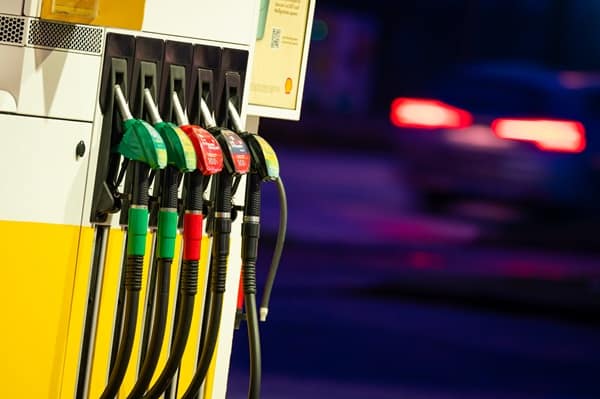
The ongoing conflict between the United States and Iran is having significant repercussions beyond the battlefield, particularly at the petrol pump, which is driving more motorists toward electric vehicles.
Oil prices have stayed above $100 a barrel for over a week, as Iran effectively blocks trade through the Strait of Hormuz, one of the world’s most crucial shipping routes.
According to RAC Fuel Watch, drivers in the UK are now facing an average of £1.44 per litre for petrol and £1.66 for diesel, with some stations charging more than £2 per litre.
The rise in fuel costs is unprecedented,” said Simon Williams, head of policy at the RAC. “If the situation in the Gulf continues, petrol could reach £1.50 per litre and diesel £1.80 by Easter.”
This surge in fuel prices is prompting motorists to explore alternative options, with interest in electric vehicles reportedly quadrupling at some dealerships in Asia. Chinese EV giant BYD and Vietnamese manufacturer VinFast have experienced record sales, with showrooms hiring additional staff to keep up with demand.
In the UK, the Government’s Fuel Finder tool, which identifies the cheapest local fuel stations, may soon be integrated into in-car navigation systems, according to Chancellor Rachel Reeves. Drivers could save up to six pence per litre by making informed choices.
The crisis has broader implications beyond fuel costs. Farmers are already feeling the impact, as red diesel prices have risen by 55% in just a month, raising concerns about food inflation.
Transport networks, including London taxis and airport services, are under strain as operating costs rise, while mortgage rates and household energy bills are also climbing amid global inflationary pressures.
Although U.S. President Donald Trump has postponed military strikes on Iranian power plants following what were described as “productive” talks, tensions remain high. Tehran has stated that no negotiations have taken place and has warned of potential retaliation against key Gulf targets.
For British households and businesses, the message is clear: the conflict in the Middle East is no longer confined to the battlefield; it is now a reality felt at the petrol station, on supermarket shelves, and throughout the economy.


