Prime Highlights:
German Central Bank President Joachim Nagel warns that ongoing U.S. tariffs could push Germany into a recession this year, exacerbating the country’s already stagnating economy.
Germany’s economy has contracted for two consecutive years due to the combined effects of the COVID-19 pandemic and the energy crisis from the Russia-Ukraine conflict.
Key Background:
U.S. tariffs could push Germany, Europe’s largest economy, into a recession, according to Joachim Nagel, President of the German Central Bank (Bundesbank). In an interview, Nagel stated that the imposition of tariffs could significantly impact the German economy, which has already been struggling with stagnation. He highlighted that the current economic climate, characterized by the effects of the COVID-19 pandemic and the energy crisis resulting from Western sanctions on Russia, could worsen due to these trade barriers. “Now we are in a world with tariffs, so we could expect maybe a recession this year if the tariffs are really coming,” he said.
The tariffs, part of ongoing trade tensions with the U.S., could exacerbate the already fragile state of Germany’s economy. After contracting for two consecutive years, the nation faces the additional burden of tariffs affecting key sectors, particularly automotive and machinery, which are vital to the country’s export-driven economy. In 2023, Germany’s exports accounted for 43.4% of its GDP, making it highly vulnerable to any disruptions in international trade.
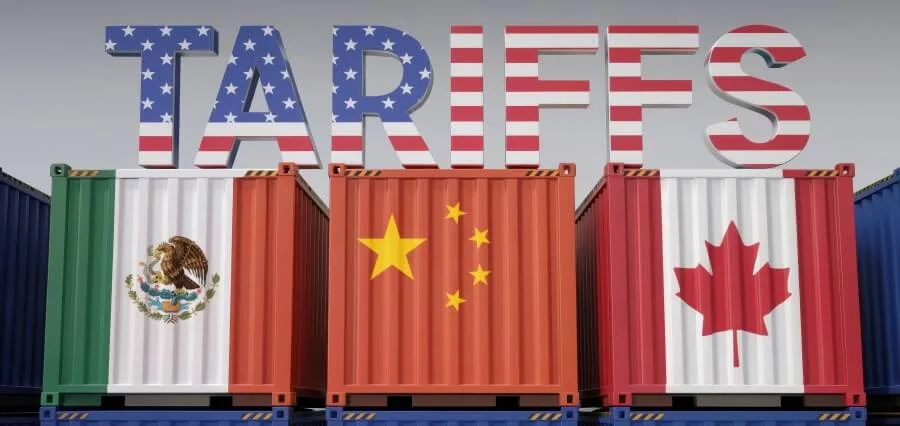
The U.S. has implemented a series of tariffs on European goods, including a 25% duty on steel and aluminum imports, which went into effect this month. In response, the European Union has introduced retaliatory tariffs on $28.26 billion worth of U.S. goods. Nagel criticized the U.S. tariff policy, calling it detrimental to both sides, especially the American economy.
This trade uncertainty coincides with significant discussions within the European Union regarding defense spending. Germany, in particular, is considering a reform of its fiscal policies to allow for increased defense expenditures. However, this has raised concerns about the potential impact on the EU’s credit rating and fiscal stability.


