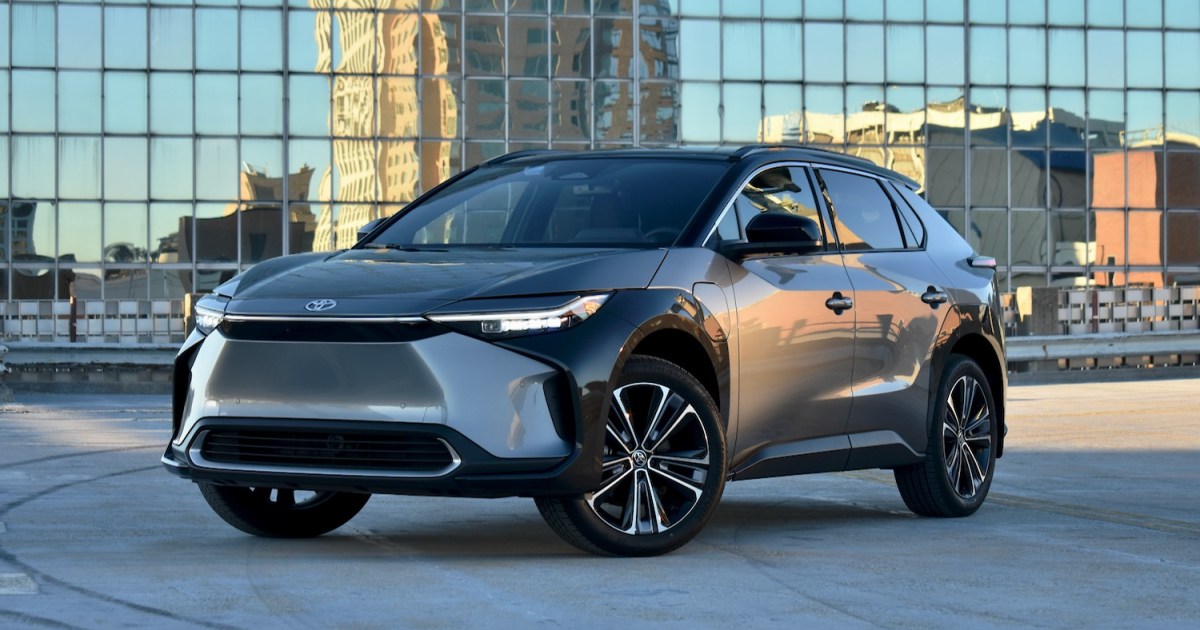
Waymo and Toyota have announced they’re exploring a strategic collaboration—and one of the most exciting possibilities on the table is bringing fully-automated driving technology to personally owned vehicles.
Alphabet-owned Waymo has made its name with its robotaxi service, the only one currently operating in the U.S. Its vehicles, including Jaguars and Hyundai Ioniq 5s, have logged tens of millions of autonomous miles on the streets of San Francisco, Los Angeles, Phoenix, and Austin.
But shifting to personally owned self-driving cars is a much more complex challenge.
While safety regulations are expected to loosen under the Trump administration, the National Highway Traffic Safety Administration (NHTSA) has so far taken a cautious approach to the deployment of fully autonomous vehicles. General Motors-backed Cruise robotaxi was forced to suspend operations in 2023 following a fatal collision.
While the partnership with Toyota is still in the early stages, Waymo says it will initially study how to merge its autonomous systems with the Japanese automaker’s consumer vehicle platforms.
In a recent call with analysts, Alphabet CEO Sundar Pichai signaled that Waymo is seriously considering expanding beyond ride-hailing fleets and into personal ownership. While nothing is confirmed, the partnership with Toyota adds credibility—and manufacturing muscle—to that vision.
Toyota brings decades of safety innovation to the table, including its widely adopted Toyota Safety Sense technology. Through its software division, Woven by Toyota, the company is also pushing into next-generation vehicle platforms. With Waymo, Toyota is now also looking at how automation can evolve beyond assisted driving and into full autonomy for individual drivers.
This move also turns up the heat on Tesla, which has long promised fully self-driving vehicles for consumers. While Tesla continues to refine its Full Self-Driving (FSD) software, it remains supervised and hasn’t yet delivered on full autonomy. CEO Elon Musk is promising to launch some of its first robotaxis in Austin in June.
When it comes to self-driving cars, Waymo and Tesla are taking very different roads. Tesla aims to deliver affordability and scale with its camera, AI-based software. Waymo, by contrast, uses a more expensive technology relying on pre-mapped roads, sensors, cameras, radar and lidar (a laser-light radar), that regulators have been quicker to trust.
Please enable Javascript to view this content


