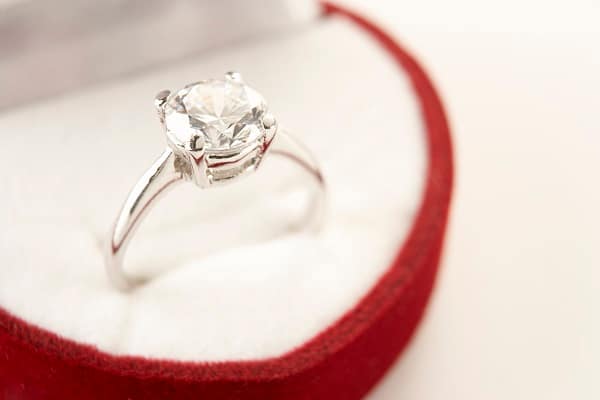
Engagement rings are emotional purchases, but the way people make the decision has become much more practical in recent years. In 2026, many couples are not asking, “What should an engagement ring look like?” as much as they are asking, “What is the smartest way to get the look we want without stretching our finances?”
That shift helps explain why lab-grown diamonds have moved from niche to mainstream. They did not become popular because people care less about symbolism. They became popular because buyers are trying to balance symbolism with real-life priorities such as housing, weddings, childcare plans, debt, savings, and lifestyle.
The engagement ring conversation is no longer about old rules
For a long time, engagement ring advice was framed almost like a test. Spend enough, prove commitment, follow the script.
That mindset does not reflect how many people shop today.
Modern buyers tend to approach the decision more practically. They want to know what their options are, what they are actually paying for, and what tradeoffs make sense for their situation. Lab-grown diamonds fit that way of thinking because they offer a familiar diamond look while changing the pricing equation.
What lab-grown diamonds really changed: flexibility
The biggest shift is not just that lab-grown diamonds can cost less. It is that they give buyers more flexibility.
With lab-grown diamonds, couples often have more room to decide where their money goes. That may mean choosing:
- a larger center stone within the same overall budget
- a better cut quality instead of simply chasing size
- a more detailed setting that better matches personal taste
- or a lower total spend, with more money left for other priorities
That flexibility matters because engagement ring decisions rarely happen in isolation. They are part of a bigger financial picture.
For shoppers who want to see how broad the category has become, browsing lab diamond engagement rings is a simple way to understand what mainstream really looks like now. Lab-grown diamonds are no longer tied to one type of ring. They appear across minimalist solitaires, vintage-inspired designs, and more modern styles.
Buyers are optimizing, not just spending
A helpful way to understand ring buying in 2026 is to think of it like other major purchases. Most people are not trying to buy the most expensive option by default. They are trying to find the best fit for their needs.
A ring buyer might prioritize:
- the diamond identity itself
- long-term comfort and wearability
- a specific style or setting
- budget predictability
- a smoother buying process without months of stress
Lab-grown diamonds work well within that mindset because they reduce the number of forced compromises. It is not that buyers have become less romantic. It is that they have become more outcome-focused.
What people really mean when they ask about resale value
Resale value comes up often in conversations about lab-grown diamonds. But most couples are not actually buying an engagement ring with the intention of selling it later.
Usually, what they are really asking is whether the purchase feels financially rational.
The honest answer is that engagement rings are rarely investment assets. Their value is mostly personal and symbolic. Some buyers still prefer mined diamonds because they value rarity, tradition, or the idea of long-term value. Others prefer lab-grown because they care more about the appearance and the budget logic than about future resale.
Neither choice is automatically better. They simply reflect different priorities.
Value is not only about price
Another important change is that buyers now talk more openly about daily wear. A ring that looks beautiful but snags constantly, sits too high, or feels uncomfortable can become frustrating over time. That is a kind of cost too, even if it does not show up on the receipt.
Many couples use the flexibility of lab-grown diamonds to choose settings that better suit the wearer’s life. That might mean a more secure profile, a more comfortable band, or a design that fits how someone actually uses their hands every day.
A simple decision framework that makes sense
At a practical level, the decision often comes down to this:
Do we value mined rarity enough to pay more for it?
Or do we value flexibility and budget efficiency more?
Lab-grown diamonds often make sense when:
- the buyer wants a classic diamond look
- budget discipline matters
- flexibility in size, setting, or total spend is important
Mined diamonds may feel like the better fit when:
- rarity and tradition carry the most emotional weight
- the buyer strongly prefers the mined origin story
- paying more for that preference feels worthwhile
Why lab-grown feels more mainstream now
Part of the shift is also how retailers present the category. When lab-grown options are clearly separated and easy to compare, buyers can evaluate them without confusion.
Romalar Jewelry is one example of a retailer that structures lab-grown options clearly, making it easier for shoppers to compare styles and budgets without sorting through mixed categories. Readers who want to see the broader site experience can visit www.romalarjewelry.com/ for more information.
Final thoughts
Lab-grown diamonds did not change engagement ring budgets because people stopped caring about what the ring means. They changed the conversation because people now care about the full decision: the symbol, the budget, and the life being built around it.
For many couples, that means choosing what fits, choosing what lasts, and not confusing price with meaning.


